ABN: 11 641 139 568

Blog

What You Should Know About Starting a DIY Plastering Project

Plastering refers to the application of gypsum plaster to a wall or ceiling. It covers the entire surface, smoothing out the irregularities and adding a waterproof layer. When it’s done properly, plastering creates a smooth, seamless surface that’s almost indistinguishable from a professionally-done job but is less expensive, easier to install and more durable.


Contrary to popular belief, plastering is not an alternative to painting. Painting a wall or ceiling is an entirely different process involving covering a surface with one or more thin layers of paint. Painting can also add depth and texture to a surface, which plastering can’t do.


While plastered surfaces are smooth, they’re not as smooth as surfaces coated with paint. Plastering also considerably reduces the amount of light passing through a surface. Of course, you could do this with the help of a professional or on your own.


Today, let’s explore what you can expect during a DIY plastering project. Here’s what you need to know:


Common DIY Plastering Mistakes


While DIY plastering is something you may have the tools and skills to do, it will be all for naught if you make careless mistakes that only result in a lumpy, uneven surface. Plastering is to create a smooth surface and a flat ceiling or wall.


Failing to mix the plaster properly, resulting in lumps

Not finishing the plaster according to the ‘provider’s instructions

Failing to let the plaster dry adequately

Using incorrect plastering tools

Using improper technique

Lacking the skill to apply plasterwork in tight corners

Failing to prepare the area for plasterwork


How to Get Started on Plastering


Preparing the Surface


Preparing the surface is the first step in any plastering project. The surface must be clean and smooth before the plaster can be applied, so you must wash and scrape off any dirt and grime. Then, you can skim the whole surface with a sanding machine. The surface must be even and smooth before moving on to the next step.


Applying the Plaster


There are several different kinds of plaster, and all work differently. All types of plaster come with the same simple instructions, though. You start by mixing the plaster with water, but you have to wait a while before using the mixture otherwise, it will set fast.


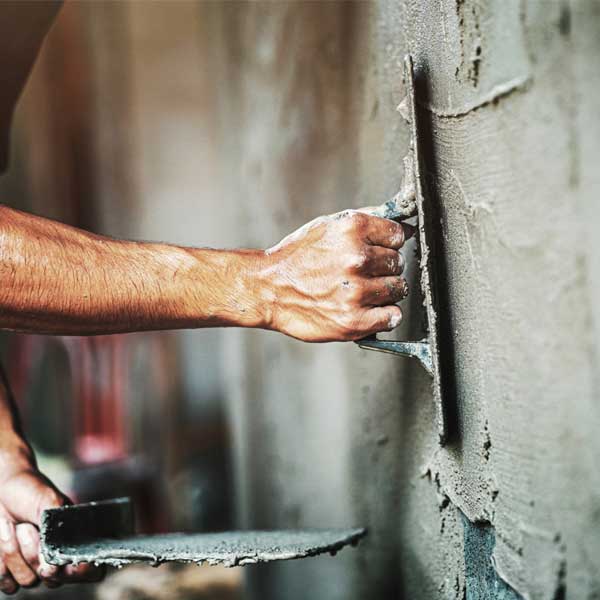
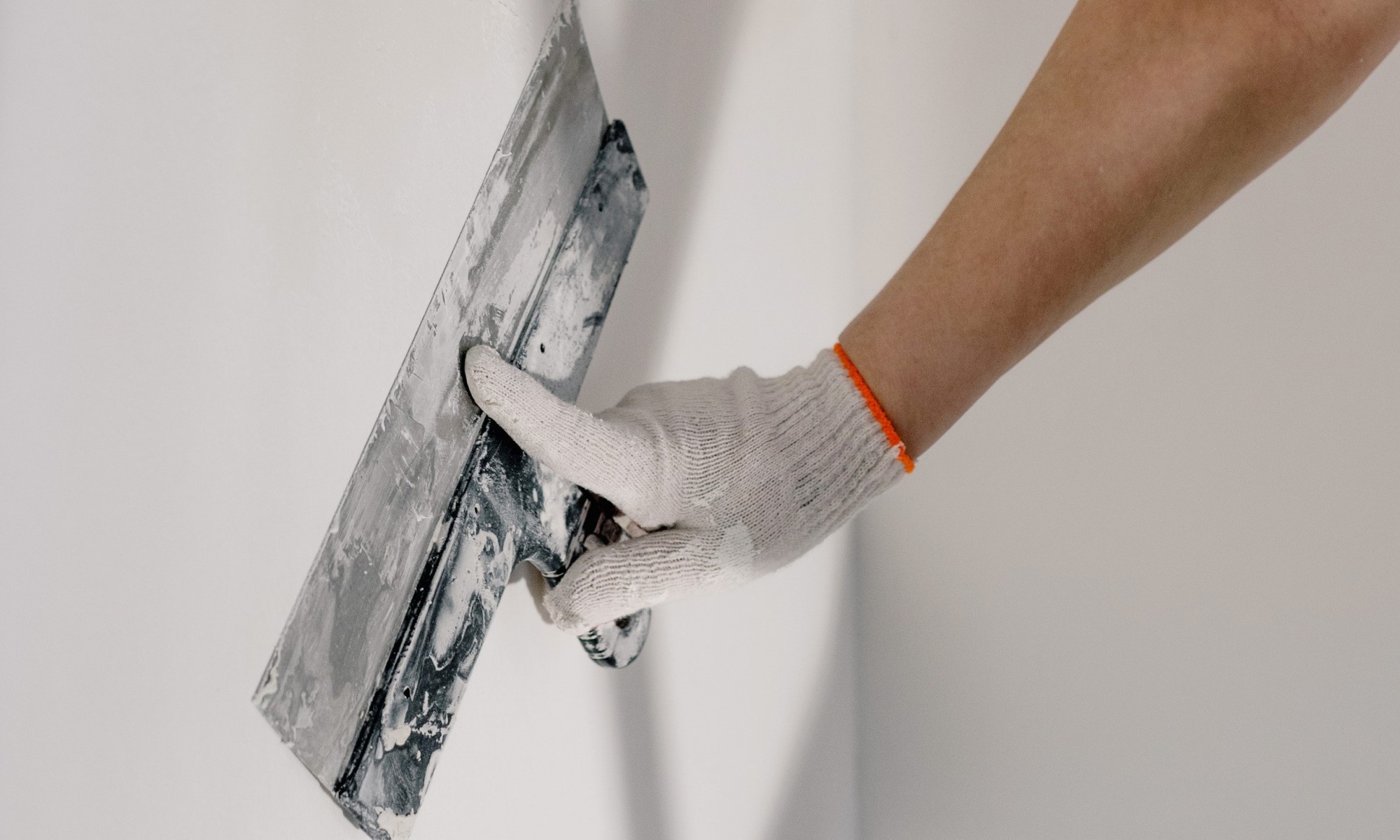
The mixture is applied using a plasterboard knife or trowel, smoothing it out as you go to create an even, flat surface. You may not have to use a trowel as wider boards can be fastened down with screws and plasterboard tape.


Spreading and Polishing the Finish Coat


After the base coat has been applied, you have to wait again until the time comes to spread the finish coat. This coat is applied using a large trowel. After this has been done, you have to wait again until the material has been set. You can then sand the surface again, if necessary.


Recognising Plastering Flaws


Finding the right way to do DIY plastering can be challenging. You may have to make a lot of trial and error, but if you want to do it right and not end up with an uneven surface, you need to know how to identify the most common plastering flaws to avoid them.


The Bottom Line


Whether you do it on your own or hire a professional, plastering is something you should know how to do. Plastering is almost always preferable to painting when covering a wall or ceiling. It’s easy to do, cheaper, and you don’t have to be an expert. You’ll have a smooth, seamless and waterproof surface that you’ll be proud to show off when you’re done.


If you are looking for reliable plasterers in Brisbane, we can help you. We Plaster and Recruit is a plastering company providing the best plastering services throughout Brisbane, Gold Coast, and Queensland areas. We believe in quality work to breathe new life into the interiors while giving you value for your money. Over the years, we have mastered and worked on various plastering contracts. Contact us today to learn more and get started!

The Top 6 Types of Drywall and How You Can Use Them

There are numerous durable materials you can use for building different properties. One of the best ones to choose is drywall. Drywall is a versatile material that is perfect for covering ceilings and walls. They are available in different types for different applications.

In this article, you can learn more about drywall, its types, and how you can use them in construction.


What Is Drywall?


Drywall is one of the favoured materials used for building properties. This material is also called Sheetrock. It is a man-made building material that consists of a mixture of gypsum and paper. It is used as a base for wall coverings. It is also used for creating a flat and smooth surface for the walls.


What Are the Types of Drywall and How Do Use Them?


There are different types of drywall for different applications. These include:


1. Regular Drywall


Regular drywall, also known as white board, is the most common type and is regularly used for walls and ceilings in various residential and commercial projects. Most of these boards come in 0.5-inch thickness and 4 ft. x 8 ft. in size. However, they can be available in smaller 2 ft. x 2 ft. sizes and lengths up to 16 ft.


2. Plasterboard


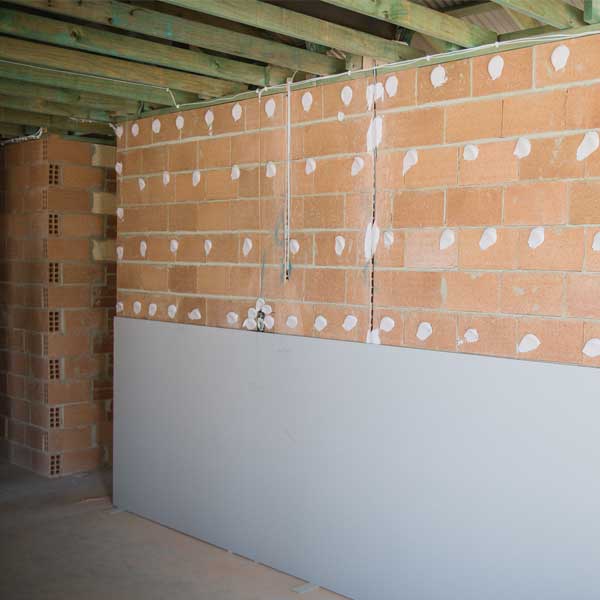
Plasterboard, also known as blue board, serves as a base for plaster applications like walls and laths. To install this board, you have to apply a thin coat of plaster over the entire surface. Through this, the plaster will stick to the drywall better. Usually, plasterboards are used in older homes to give a lath and plaster effect.


3. Fire-Resistant Drywall


If you want a safer application for your home, you can invest in fire-resistant drywall. Specialised fire-resistant drywall is a great choice for basements and garages, as well as rooms where you will place equipment that might possibly cause a fire. This type of drywall contains fibreglass, which means that it doesn’t burn as fast and it slows down the progress of the fire.


When purchasing fire-resistant drywall, you can opt to get Type X or Type C. Type X offers one-hour protection against fires. You can use it in multiple layers if you want added protection. On the other hand, Type C also offers one hour of protection. However, it does not shrink even while burning. Type C is often installed in ceilings as they can prevent them from collapsing should a fire happen.


4. Soundproof Drywall


All types of drywall have sound insulation properties, but soundproof drywall has the best abilities. This is built with additional fibre, polymers, and gypsum for a better sound transmission class. Most of the time, soundproof drywall is installed between shared walls and living spaces. However, it should be noted that because of its thicker and denser nature, it is more difficult to work with them.


5. Mold-Resistant Drywall


Green board, or mould-resistant drywall, is a good pick for bathrooms, kitchens, and laundry rooms. They come with paper-backing that’s thicker than regular drywall. They are also coated with some wax for extra moisture resistance.


6. VOC-Absorbing Drywall


Finally, the newest addition to drywalls is the VOC-absorbing drywall. This type captures chemicals and other organic compounds and traps them inside the drywall. The best thing about this drywall is that it can do the job even when it is painted over up to 75 years.


Final Thoughts


Drywall is a useful material that can be used for a variety of material properties. If you use them correctly, you can build durable properties that can last for many years. Aside from being easy to install and affordable, they are environmentally friendly.


If you need drywall in Gold Coast, We Plaster & Recruit is the best spot for you. We offer installation, repair, and replacement services for residential and commercial properties. Contact us today to get started.

The Beginner’s Guide to Drywall and Its Advantages

Drywall has become a recent favourite of many when it comes to building materials. It is not only affordable and easy to work with, but it is still durable and beginner-friendly. If you want to learn more about drywall, then keep reading below.


What Is Drywall?


Drywall is a type of plaster that is used for purposes of finishing and construction. It is used to cover the framework and other materials in a building. It also has a very dull finish, which actually makes it a very helpful material because it is easy to paint over. 


Unlike wood, drywall is very durable. It is very resistant to termites, fires, and rot. In addition, drywall is lightweight, which makes it less expensive to transport and install than other materials. Its ability to be easily worked with has made it a popular choice of so many.


What Are the Advantages of Using Drywall?


It is not uncommon to see a lot of builders, both DIY and professionals, turn to drywall in a lot of their projects. Below are some of the main advantages as to why drywall is preferred.


1. Affordability


Drywall is known to be one of the least expensive building materials that you can use. This can be attributed to its lightweight, which makes it cheaper to transport. The low price of drywall also helps to keep costs down for project owners.


2. Very Durable


Drywall is known to be very durable, which is one of the reasons why it is used in construction. Because of this, it is actually used in a lot of commercial buildings, such as offices, businesses and hospitals. Moreover, drywall is known to have a lot of resistance to fire. This means that it can withstand a fire that may damage some parts of a building.


3. Easy to Work With


Compared to other building materials, drywall is very easy to work with. This makes it a great option for beginners, especially because it doesn’t require much effort to do so. This is because it is lightweight, which means that it can be easily cut into pieces. It is a very easy material to apply, too. This is because it has water vapour that makes it stick together whenever it is wet.


4. Great Insulation


Drywall is known to be a great insulator. This helps keep the building warm during winter and cool during summer. It also helps to block noise and outside elements from coming in.


5. Great Resistance


This material is also known to be highly resistant to flames, smoke, water, and moisture. These resistive properties are very useful when disaster strikes because not only will they help protect the structure and the people inside, but it will also lessen the damage done, which would be very useful. Not many materials hold these properties, and to have it with drywall is a great advantage, especially considering its other traits and characteristics.


Conclusion


Drywall is still one of the most-used materials for finishing and construction, and it is not hard to see why. It is lightweight, easy to work with, easy to install and very strong. The low cost of drywall also makes it a very popular choice for many. This material has many advantages, and because of this, there are still a lot of projects being done with it. In addition, contractors are beginning to turn to it for their renovation and renovation needs, too.


If you need a plastering service in Brisbane, Queensland or Gold Coast, you can contact We Plaster & Recruit. We are a registered plastering company known to provide high-quality plastering services that will give you value for your money. Watch us bring your interiors to life by booking our services.

What You Probably Didn’t Know about Plaster

When it comes to construction materials, not everybody cares to know what goes into their home’s foundation. Perhaps you’re here because you want to learn about things like plaster. Read on to discover some fun facts you ought to know about plaster.


The Composition of Plaster


Plaster is made up of a dry mixture of lime, gypsum, sand, or cement and water. Slaked lime, Venetian (which contains colour and marble dust), gypsum, clay, and tadelakt (a Moroccan plaster created from lime plaster and olive soap) are all materials used by modern plasterers.


Drywall Has Taken over Plaster


Plaster was the primary wall material prior to the introduction of commercial drywall. Sheetrock is “less resilient and stylish” than plaster. Plaster is both fire and sound resistant. It is harder to install than sheetrock and more expensive to replace if it becomes damaged.


Ancient Pyramids Have Used Plaster


Plastering is an ancient technology, and the earliest methods are still utilized today. For millennia, water-and-clay or lime sludges have been employed to reinforce huts. The ancient Egyptians were accomplished plasterers; the Pyramids feature 4,000-year-old undamaged plaster.


Plaster today, despite its age, may also be used in both traditional and modern interiors. It can even be used to provide texture and sculptural elements to stairs and fireplaces.


Earth-Friendly Characteristics of Plaster


Plaster is a breathable, chemical- and VOC-free alternative to the common wall paint. Natural plasters are both safe and eco-friendly.


Waterproof Properties of Plaster


Tadelakt is made up of lime plaster and olive soap. The combination of the two chemicals results in a water, mould, and mildew-resistant kitchen or bathroom coating. Tadelakt lime plaster is the Rolls-Royce of sparingly applied materials. Tadelakt should be used in moist locations and as an alternative material elsewhere due to its higher cost.


Layering with Plaster


Corners are especially difficult to trowel, and certain plasters, such as gypsum, necessitate fast movement to avoid “cold joints” or areas of plaster fragility.


The Cost of Plaster 


Plaster is expensive and difficult to install. Prices for installation approximate $500 per 100 square feet, excluding prep work, difficult-to-reach regions, and higher-quality plasters. Plaster is less expensive to repair and resurface than it is to replace.


What You Can Get from Using Plaster


1. Add Elegance to a Space


Plastering can result in a smooth, glossy finish. Venetian plastering can be used to smooth any wall. Professional plastering results in a smooth, polished appearance. Using polished plaster, any space may be converted into a beautiful, timeless atmosphere.


2. Add an Accent Wall with Texture


There are a variety of unusual plaster finishes that draw notice. Moroccan smooth polished lime plaster, fine-grained wood-like plaster, and hard clay with a terracotta-like finish are all eye-catching wall treatments. The combination of textured plastering with smooth furniture or walls creates a stunning feature wall in any interior design.


3. Increase the Space’s Durability and Longevity


The right finish can also improve the foundation of your walls. Plastering and rendering are the first phases of in-wall renovation. Superior plastering reduces paint flaking and uneven surfaces. Using high-quality plaster will save you the time and effort of repainting or plastering.


Conclusion


Whether it is your home or a loved one’s home, it pays to know what you’re dealing with. For one, while plaster may be more expensive, it proves to withstand structures for a longer period of time. Because of this, it is well understood that the higher cost pays off! Indeed, learning about construction materials is worth your time.


Are you looking for professional plastering in Brisbane? We Plaster & Recruit is an esteemed plastering company that can provide you with your needs and help you address concerns. Give us a call today to learn more about our services!

5 Advantages of Metal Cladding That You Need to Know About

Homeowners and commercial business owners can use metal cladding to protect their buildings, as well as reduce maintenance requirements. They are also able to choose from a variety of materials for their cladding, and metal is the top choice among these individuals. The numerous advantages of metal cladding are the main reason for its growing demand. If you want to learn more about this, then we’ve got just the thing for you. Here are five notable advantages of metal cladding that you need to know about.


Durability


When it comes to durability, one of the most durable choices among cladding materials is metal. With a strong surface, it hardly gets affected by external factors and does not get damaged easily. Corrosion-resistant, water-resistant, and electrochemically inert metal claddings last for years without the need for repair or renovation of your building. Whether you use them for interior or exterior purposes – they prove to be beneficial.


Convenience


Compared to traditional concrete, brick, or other types of cladding, metal cladding is the easiest to install. It takes less time than traditional methods to install it because it is made of lightweight sections. Cladding segments are also larger and can cover a larger area when they are put on. A specialized fastening system makes installation much easier since it is designed for metal panels.


Versatility


The versatility of the metal cladding makes it attractive for many types of construction projects. You can use it to clad the entire exterior of your building, or even just some portions to achieve a contrasting look. With its versatility, you can select the material that best suits your choices.


Eco-Friendly


The world has moved towards more environment-friendly materials to produce building materials. This is reflected in the makeup of metal cladding panels, which are commonly made using recycled materials, making them eco-friendly and lowering the number of materials that end up in landfills. Additionally, because they are made from common metals, they can easily be recycled at the end of their useful life. This makes their carbon footprint even smaller.


Cost-Effective


If you’re choosing cladding for your home, metal is the most affordable option for you. Compared to the other cladding materials, metal is much more inexpensive. Furthermore, since installing metal involves fewer labour costs, your total costs will decrease even more than they would if you were to choose another type of cladding.


Conclusion


We hope this article proves to be useful when it comes to helping you gain a better understanding of the many benefits of metal cladding. As you can see, metal cladding can help improve the durability of your space. To add to this, it’s also incredibly convenient, so you’ll have little to know problems when it comes to installation. Be sure to keep everything you’ve learned here in mind the next time you’re looking to make improvements to your space. 


If you’re looking for cladding for your space, then you’ve come to the right place. We Plaster & Recruit is a registered plastering company providing the best plastering services with operations throughout Brisbane, Gold Coast and Queensland areas. We are fully licensed and insured. We believe in quality work to breathe in new life to the interiors while also giving you value for your money. Over the years, We Plaster & Recruit have mastered and worked on all sorts of plastering contracts. We follow strict protocols and guidelines to make our work stand out. For more information on what we can do for you, visit our website today!

6 Benefits of Using Metal Cladding for Your Project

Metal cladding is the most popular choice for durable, weather-resistant protection of home and business exteriors. It’s normally used in numerous projects ranging from agricultural to high-end commercial buildings, where you are likely to see cladding materials installed along the exterior of the structure. If you’re planning to purchase metal cladding, here are some benefits you might want to know.


1. Better Durability


Metal cladding is more durable than other types of building materials used for home exteriors. It is highly rust-resistant, sturdy, and is virtually maintenance-free. Aside from being rust-resistant, metal is fire-resistant and can withstand water pressure and run-off. Thus, if you live in a place constantly exposed to harsh elements, you can be sure that metal cladding will be an excellent option to withstand the wear and tear.


For bare structures, there’s also the issue of being too exposed to external agents like wind, rain, and snow that can lead to leaching of the paint and the eventual flaking of their coats in the long run. Metal cladding, on the other hand, is less likely to rust, peel, and crack, which makes it more stable and efficient in the long run.


2. Fire Resistance Properties


As mentioned above, metal cladding is fire resistant. This property is because metal does not easily burn. In case of a fire, the chances of destruction are very slim. In fact, most buildings with this type of exterior are still standing even after several fire incidents. So, if you’re planning to build a house with metal cladding, you can be sure that it will be around even if there is a fire next door.


3. Easy Maintenance


Metal cladding is easy to clean, so it needs little to no maintenance. There are no cracks in the material, and it requires minimal upkeep, which makes it perfect for areas where there’s a lot of dust, dirt, and other elements that can damage its surface. There are already finish coatings that offer additional protection against the elements, but depending on the type of metal you choose, the material is already durable and resistant to the elements.


4. Wide Selection of Styles and Materials


Metal cladding can be made of different materials and comes in various styles. Depending on your preferences, you can choose the one that will best fit your building’s exterior. It’s a great way to express your individuality and enhance the aesthetics of your home or business.


There are different types of metal that you can choose from. Aside from having a wide selection of metals to choose from, there are also different styles of cladding that you can choose to fit your building’s exterior. Some of the cladding types available in the market are steel, aluminium, and copper.


5. Eco-Friendly Option


Steal is easily one of the most popular materials when it comes to building. This is because it is not only durable and sturdy, but it is also an eco-friendly option. It does not take a toll on the natural environment, so it can be recycled repeatedly.


Since metal cladding does not contain any toxic materials compared to other building materials, you can be sure that the material is harmless to the environment.


Conclusion


Metal cladding is not only a practical and efficient option for building exteriors, but it is also an eco-friendly option that is versatile, durable and requires minimal to no maintenance. It can be used for numerous projects for homes or businesses, and it comes in varying styles and materials to choose from, which makes it an excellent investment for your home or business.


When it comes to metal cladding and plastering applications, trust only We Plaster & Recruit. We are a registered plastering company providing the most reliable plastering services throughout Brisbane, Gold Coast and Queensland areas. Quality and good service are always our priority, and we always follow strict protocols to ensure that we deliver the results you’re looking for. For projects requiring plastering, painting or cladding in Brisbane and surrounding areas, contact We Plaster & Recruit.

The Similarities and Differences of Plaster and Drywall

Being a homeowner is one of the easiest ways to tell that someone has their finances under control. However, there will always come when your home doesn’t suit your needs anymore. While selling the house is an option, renovations are considerably easier because you don’t have to undergo a long process.

In any home renovation project, using plaster or drywall is crucial because these materials will provide insulation, soundproofing, and fireproofing, which a home needs. However, choosing between the two can be tricky because they’re so similar yet have significant differences. For this reason, homeowners need to consider many things before deciding.

Regardless, a homeowner should be aware of the two products, so we’ll discuss them in this article.


More about Plaster

Plaster is a material that can be used for internal and external usage. It can be applied over wooden lath or metal lath but is thicker and more durable than drywall. Plaster is made up of portland cement and sand, which gives it a characteristic chalky hue. Its smooth texture also makes it harder to scratch and etch. However, these qualities also make it harder to paint, which is an aspect that you have to consider.


Pros and Cons of Using Plaster

The most significant advantage of using plaster lies in its strength. This makes it more suitable for old homes and falling out of shape because plaster can accommodate the structural changes. It can also be used in areas with a lot of humidity, like basements and bathrooms.

It’s also worth noting that because it’s made of natural materials, there’s no risk of a chemical reaction should the home be hit by fire. It’s also easy to repair, so homeowners should know the places more prone to damage and make sure that these spots are reinforced before the plaster is applied.

However, the drawback to plaster is that it can break pretty easily. It can also crack under the impact of heavy objects, so it’s recommended to reinforce the room’s structure before applying the plaster. If these are not completed, cracks could develop under the plaster, which could ruin the room’s look.


More about Drywall

Drywall is a type of wall cover typically used in interior applications because it is less durable than plaster. It’s made from gypsum and rock, making it a versatile material that can be used for both internal and external applications.


Pros and Cons of Drywall

Like plaster, drywall is also easy to patch and repair. It’s also lighter than plaster, making it easier to carry and transport. Drywall is also easier to apply than plaster, so it’s a popular choice for homeowners because it can be handled without the help of professionals.

However, drywall is less fireproof than plaster, making it a less suitable choice for old homes. It’s lightweight and breaks easily, so homeowners will have to be careful with what they place on top of it. It is also less durable than plaster, so it’s not surprising that it’s less resistant to external forces.


Veneer Plaster: The Best of Both Worlds

If you want a material that mixes both drywall and plaster, veneer plaster is for you. It has the qualities of plaster and the strength of drywall, which makes it the best choice for homeowners. It’s more flexible than regular plaster to be used for old homes. It’s also lightweight, making it an excellent alternative for drywall in areas that need insulation.

However, the only drawback is the cost because it’s more expensive than plaster and drywall. Regardless, it’s a good investment if you want material that can work on both old and new homes.


What Should You Choose?

If you’re not sure which plaster and drywall you should choose, consider your budget, the purpose of the room, and the time you’ll need to apply the material. Plaster is a good choice for old homes that have been gradually falling apart for decades, but it could also be a good choice for new homes you want to insulate.

On the other hand, drywall is a good choice for new homes, especially if you’re on a tight budget. However, it’s not as fireproof as plaster, so you have to be careful with the area you apply the material.


Conclusion

It can be hard to choose between plaster and drywall with their similar qualities. Your choice should come down to your budget and what you want the room to look like. Just remember to patch any cracks, reinforce the structure, and apply the material correctly to last for years.

We Plaster & Recruit provides top-quality services for cladding in Brisbane


Our professional contractors will ensure that your home looks beautiful, and we also specialise in other services such as painting, plastering, and drywall installation for affordable prices. Simply go to our website to request a quote!

5 Benefits of Hiring Professional Plasterers For Renovations

Plastering helps the walls and ceilings prevent the risk of deteriorating prematurely. Although it also ensures that the surfaces stay smooth, it also re-strengthens the structural integrity of a house. As a result, plastered walls and ceilings become less susceptible to water damage, cracks, and early signs of breakage. But instead of plastering on your own, what are the benefits of hiring professional plasterers for renovations? Here are some ideas.


1. Better Attention to Detail


Professional plasterers care so much about the work, and it shows in the presence of their handiwork. Because they have been in the industry for decades, they know just what it takes to make the result look good. Most of the time, they have already seen it all before. They know what to do to make the job look perfect, whether it is something small or something big.


2. Increased Structural Stability


Hiring a plastering company to reinforce a home ensures that the property’s structural integrity stays at its best quality possible. As a result, plastered walls and ceilings should dodge the risks of water damage and cracks. A plastered house is more stable and structurally sound than a house that isn’t. Plastering is especially important if the walls or ceilings experience stress.


3. Less Mess


There is no need to worry about plastering on your own because a professional plasterer will get the job done for you. Most importantly, the plasterers are knowledgeable about the best techniques to make the mess as minor and as controlled as possible. That way, you will get the result you are looking for without dealing with any mess. Most professional plasterers know that the best way to complete their job quickly is to do it cleanly. Hiring a professional plasterer means less mess after the job is over.


4. Calculated Costs


Professional plasterers have been in the industry for decades and know that the cost of plastering depends on the size of the property. As a result, they can provide you with a cost estimate based on a precise assessment of the property. Professional plasterers can give you an accurate estimate of the costs of plasterers based on their evaluation of the property.


5. Better Plastering Experience


A professional plasterer has been serving clients for a long time. They have acquired the necessary experience and skills to complete the job they are working on. Most of the time, they have already seen it all before. They know exactly what to do to make their work look perfect. Therefore, hiring a professional plasterer is your way of ensuring that the plastering job you paid for gets done.


How Does Plastering Reinforce a House?


Plastering helps the walls and ceilings reinforce the entire building. Although it also ensures that the surfaces stay smooth, it also re-strengthens the structural integrity of a house. As a result, plastered walls and ceilings become less susceptible to water damage, cracks, and early signs of breakage because plasterers use better plastering materials and methods to strengthen the structural supports of a house.


Conclusion


Hiring a professional plasterer can be the best investment for you. As noted, professional plasterers can do a great job on the property because they have been serving the public for decades. They know what it takes to get the job done and how to get the best results. If you already know that you will not be able to make the job look as great as it should, then hiring a professional plasterer is the right solution.


We Plaster & Recruit is one of the best plastering companies in Australia. We offer the standard services needed in reinforcing a home using drywall or cladding in Brisbane. Our only goal is to ensure that our projects are high quality and that our clients always end up satisfied with our work. Book an appointment through our website or get a quote today.

Why Solid Plastering Is a Great Option for Your Space

If you want your space and dry wall to look good even after decades, you must ensure that your ceilings and walls are coated with suitable materials. One of the best ways to ensure a well-maintained home is to choose plastering services.


Starting on a large plastering project can be a daunting task. You might have many questions: What is the ideal approach to the process? Which plastering service should you talk to? And so on! A good plastering company like We Plaster & Recruit will be able to offer you the best quality services and will ensure that your work is completed adhering to the highest standards.


Before we look at its benefits, let’s first understand what it is exactly. 


Not Your Average Dry Wall


Solid plastering is a construction method involving thick layers of plaster applied to both surfaces of a structure to protect it from damage or decay. The results are reinforced layers that do not crack, are waterproof, and can retain their appearance for many years. 


The Benefits


Aside from the above information, solid plastering also results in these benefits:


Customisability: When plastering the dry walls of your room, you have several choices available for creating texture and design. You can embellish the interiors with solid plastering while giving the room a more decorative appeal. 


The dray walls of your room can be any colour you like; they can be smooth and glossy, rough and gritty, painted with vibrant colours, or left bare in the natural light of day. It’s your call.


Fire-resistant dry walls: The last thing a homeowner wants is to face the loss of their home. You can take simple, practical steps to ensure that your house and everything you own is protected from fire. 


Neatly plaster the walls and ceilings with fire-rated and soundproofing plaster, and you’ll easily suit the health and safety regulations. Your house will be solid and safe, and you won’t have to worry about losing everything ever again.


Hardiness: Solid plastering is highly durable and long-lasting, which is one of the primary reasons why homeowners choose this method. Your home will hold up well against damage from general wear and tear, dents and scratches, keeping each area looking new for a long time.


Sleek aesthetics: If you’re looking for an elegant, modern look on your walls, consider using plastering techniques to cover them. Plastering achieves a smooth and beautiful surface; it’s a fine finish ready to paint soon after it dries. Do you want straight lines and perfectly smooth corners? Solid plastering can help. 


Soundproof areas: You can install soundproofing material in a room with solid plastering to cut out the background noise. These walls will be thick and will help keep unwanted sounds at bay. Solid plastering is also an excellent option for creating a music room.


Weatherproof dry walls: If you plan to build in a region prone to weather damage, choose solid plastering for your walls. It will make your home more resistant to water damage and mould growth. Your walls will look clean and shiny for years.


Plaster Your Dry Walls


A home’s foundation is only as strong as its supporting structures. To that end, don’t use wood or other low-quality materials when building your home. Use a tried and trusted component like solid plastering for your dry walls to protect your interiors for decades to come.


Contact We Plaster & Recruit today, and we’ll cover your dry wall in Brisbane for you. We’re a registered service that’s fully licensed and insured, so you’ll get quality work for your interiors. Find out more through our website.

What You Need to Know About Fibre Cement Cladding

The house will likely contain fibre cement cladding either on the outside or on the inside. Fibre cement cladding should be inspected to catch any problems before they are too expensive or potentially hazardous to deal with. Here is what you need to know about fibre cement cladding:


What Is Fibre Cement Cladding?


Fibre cement cladding is an exterior siding made from cement, cellulose, and fibres. It is primarily used for outside siding on homes but is occasionally used as an interior siding material.


What Is Fibre Cement Cladding Used for?


Foundation walls and load-bearing walls are often constructed with fibre cement cladding. Many older schools and buildings were also constructed with fibre cement cladding.


Fibre cement cladding is a durable and affordable material. In many cases, it will cost less than half of what a wooden siding would cost, and it’s also more durable. It is fire-resistant, rot-proof, and water-resistant and can last up to 100 years. It also has little to no maintenance aside from cleaning, which is easier than many other materials.


Why Fibre Cement Cladding Isn’t Fail-Proof


While fibre cement cladding has a lot of upsides, there are downsides to be aware of. First of all, fibre cement cladding is not as strong as wood, so it will not stand up to direct impacts and wood. Bricks should also be used in conjunction with it to absorb any shock. However, it is moisture-resistant, not moisture-proof. When moisture gets into the fibre cement cladding, it can chip away at it or even cause it to fall apart.


Does Fibre Cement Cladding Contain Asbestos?


Depending on the age of the building, there’s a chance the fibre cement cladding inspection could identify products that contain asbestos, which was used in many different building applications in Australia from the 1940s to the mid-1980s, including fibre cement sheeting. This type of asbestos was used in internal and external cladding and gutters, downpipes, roofing, and fencing for houses pre-dating the 1940s.


What Are the Issues with Fibre Cement Cladding?


As you’re home-shopping, don’t assume that a fibre cement-cladding house will necessarily come with a buyer’s guarantee for structural issues, pests in the basement, or weather damage.


A fiber cement cladding system has been built to withstand weather, water, and termites, but it’s not foolproof. As your potential buyer moves into their new home, issues can arise if the fiber cement cladding is not installed properly or maintained to the correct standard.


Poorly fitted exterior cladding can expose your home to the elements. You don’t want rain coming into your home every time it rains or storms, nor does a gap in the cladding allow any water to seep in. If something leaks at your home, you could have serious structural problems. Such as warped and rotting framework, water stains, and mold.


Hire an Inspector for a Fibre Cement House


You should hire a home inspector with experience inspecting fibre cement cladding and other non-traditional exterior wall materials. Any moisture problems, such as water stains, cracks, and swelling, should be dealt with immediately. If you’re buying a home with a fibre cement cladding system, it’s up to you to make sure that all is well with it.


We Plaster and Recruit is a registered plastering company providing the best plastering services with operations throughout Brisbane, Gold Coast and Queensland areas. We believe in quality work to breathe in new life to the interiors while also giving you value for your money. Over the years, we have mastered and worked on all sorts of plastering contracts. We follow strict protocols and guidelines to make our work stand out. If you need cladding services on the Gold Coast, we’ve got you covered! Get in touch with us today and let us know how we can help!