ABN: 11 641 139 568

Blog

4 Different Types of Cladding Material and Their Benefits

Over the decades, there have been many developments in building technologies—the introduction of thermal insulation, double glazing, high-efficiency boilers, etc., all of which have helped people to be more comfortable in their homes. In the last couple of years, cladding has become a hugely popular development which makes it much easier to create a more contemporary look and feel to any home. Let’s look at what cladding is and the different types of materials used in its application.


What Is Cladding?


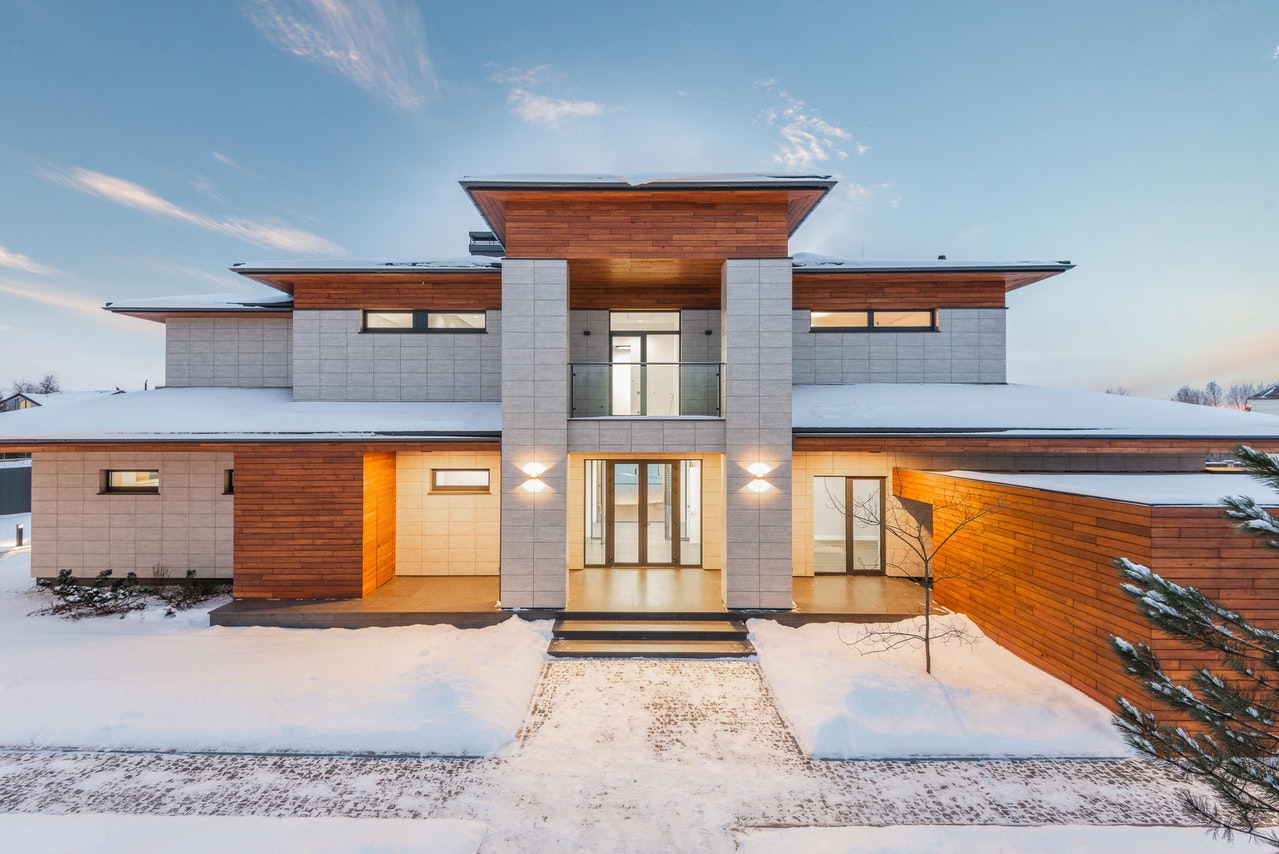
Cladding is a description of the outer layers or finish of a home. It’s a way of giving a house a new visual appearance, as well as adding insulation and durability by using different materials and combinations of materials. A standard cladding package can include the actual cladding itself as well as an under-cladding to provide insulation.


Types of Cladding


Cladding can be made from many different materials, including timber, metal and plastic, as well as combinations of materials. The most common types of cladding are:


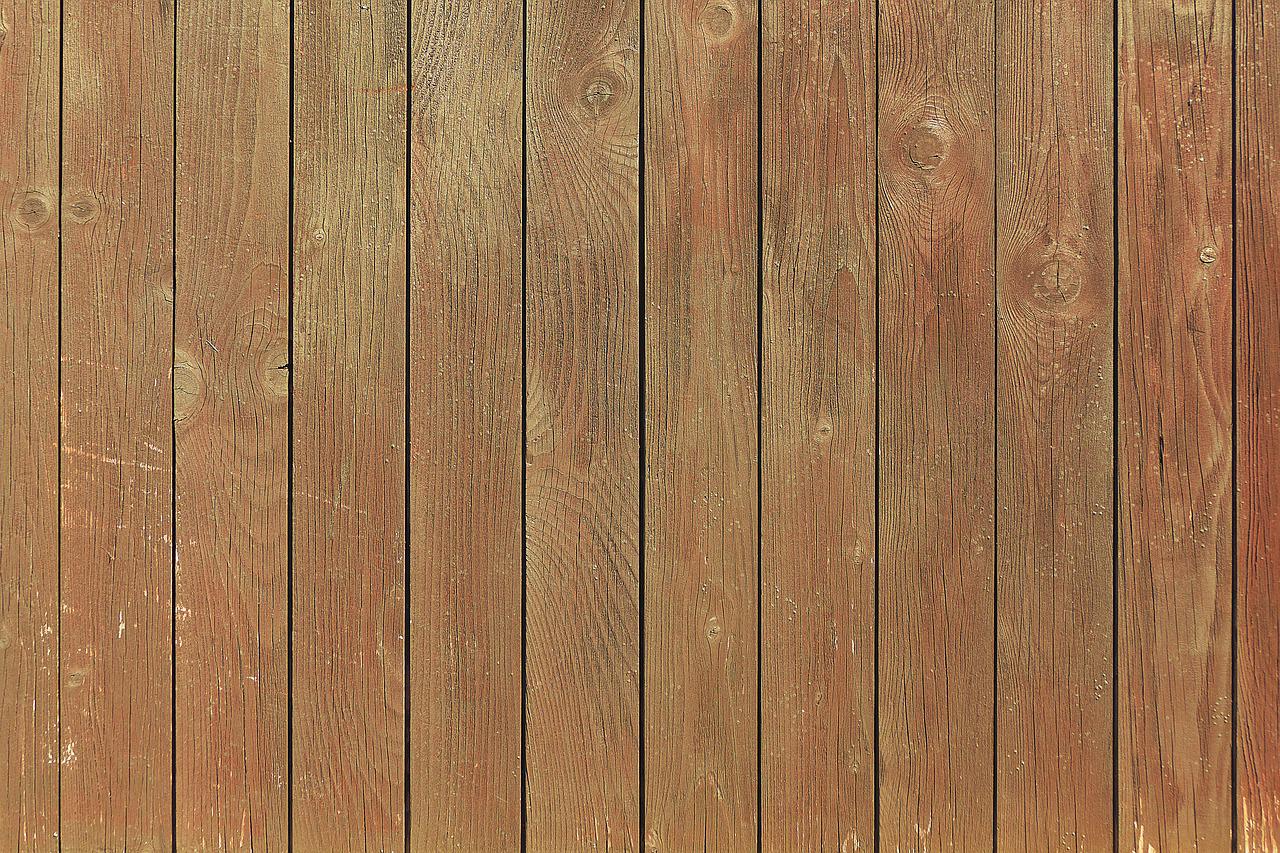
Hardwood Cladding – This is the most traditional form of cladding, which has been used for centuries. It involves fixing sheets of timber to the exterior of a house, which can make a home appear more attractive, with a more contemporary feel. Hardwood cladding is best for properties that are in rural areas and for detached properties, as it can be very difficult to install and as it is a very high maintenance material, which often makes it expensive for flats.


Cladding made from natural timber is becoming more popular. It can be treated, primed and painted to create a variety of different effects, which can be better than those created using other types of cladding.


Stone Cladding – Stone cladding is another very popular option, which is usually installed using brickwork. Stone cladding can be really expensive to install, but it makes a home much more appealing as it can provide a timeless, classic look. Stone cladding requires regular cleaning and maintenance, as well as repointing every few years.


In terms of cost and maintenance, stone cladding is more expensive than other types of cladding, and it’s not suitable for properties that get a lot of rain and snow. However, a stone cladding can produce unique, timeless looks on a residential property.


Metal Cladding – Metal cladding can come in a huge variety of colours, shapes and sizes; every material is available, and it can be used in any form. Metal cladding is easy to install, very cost-effective and has huge potential. There are many different types of metal cladding on the market, each with its own benefits and drawbacks.


For instance, a carbon steel cladding will be much cheaper, but it requires regular cleaning and repainting. On the other hand, stainless steel cladding is much more expensive, but it doesn’t require regular cleaning and repainting. 


uPVC Cladding – This type of cladding has become very popular in recent years as it’s very cost-effective and it doesn’t require regular cleaning and repainting. uPVC cladding is a good option for homes with a flat roof, as it doesn’t require scaffolding to install, as it can be done on the ground.


uPVC cladding will last for decades, but it can be damaged by the sun, the rain and the wind. A lot of uPVC cladding is manufactured in Europe, which means that it is cheaper to install.


Conclusion


The popularity of cladding shows no sign of slowing down. It’s an excellent way of making a home more attractive and durable without having to carry out a huge renovation project. The different types of cladding available each have their own benefits and drawbacks. In general, there is a huge range of materials that can be used, which allows homeowners to tailor their cladding to suit the style of their house.


For all your plastering and cladding needs, there’s only one name to trust. We Plaster & Recruit is a registered plastering company serving clients in Brisbane, Gold Coast, and Queensland. We specialise in external work that brings out the beauty of your property. Whether you need plastering or cladding in Gold Coast, our team is the one to call. Contact us today to book an appointment.
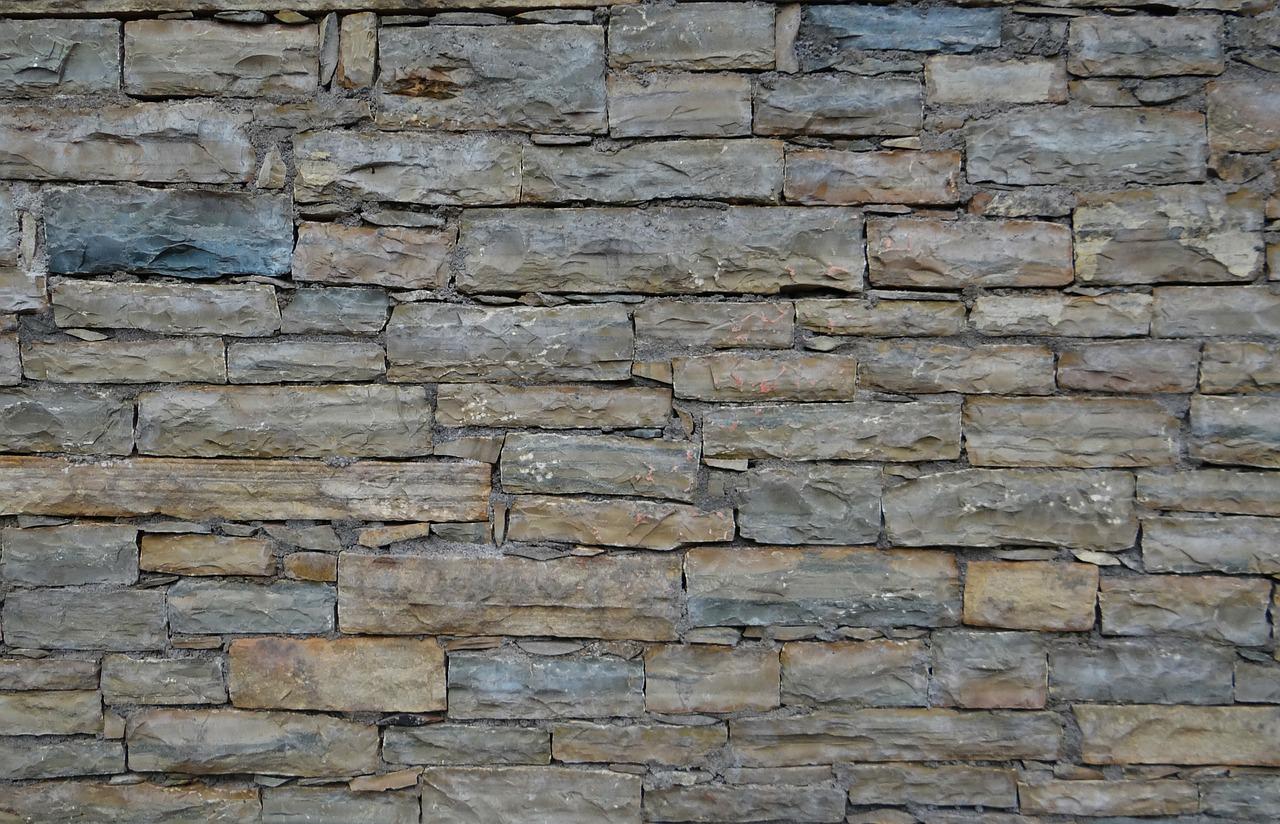
The Different Materials Used in Stone Cladding and Their Uses

Architecture and design will always reference the past. As the era of rustic-looking houses returns, cladding is an excellent way to bring back a look from the past. Homeowners can now transform their modern-looking homes into head-turner properties that can become the talk of the town. But since there are many cladding materials to choose from, which one is the best for your home? Here are some ideas.


1. Mountain Ledge Stone


A natural-looking option, mountain ledge stone is an excellent choice for those who want to make their homes look rustic. The material is made with natural stone and comes in different sizes. It is also a cladding material suitable for walls, roofs, patios and even grills.


In addition, contractors can also install mountain ledge stones on different kinds of terrain and wooden and metal facades. As one of the classic cladding materials, it is not surprising that many homeowners are looking to this option to complete the rustic look of their homes.


2. Natural Stone


Stone claddings give off a traditional and elegant look. Their simple design can easily fit into any home style because of their simple design. They are not just beautiful and aesthetically pleasing but also make for a durable coating. Since some stone claddings have a solid structure, Contractors can also use them for exterior walls.


Stone claddings can also make floorings build personality and style because of their solid structure. If you are looking for something that will last a lifetime, stone cladding is what you should go for. It is an excellent choice for covering a patio or porch as well.


3. Coursed Stone


Coursed stone is a material that is made from natural stone bricks. It is trendy in the UK and is known for its signature look of natural-looking stone stonework. This cladding material is ideal for use on floors and walls.


Many homeowners go for coursed stone cladding because of its warm colours, texture, and dirt-repellent finish. It is also a versatile option that contractors can use for various buildings, including residences and commercial establishments.


4. Country Rubble Stone


Country rubble stone is an excellent choice for those who want to make their homes stand out. It is a cladding material ideal for adding a rustic touch to any modern home. It is an ideal option for those who want a country cottage look.


In addition, country rubble stone can help improve the look of any modern home, giving it that natural look. It is also a good cladding material because of its durability, brought upon by high-quality limestone.


5. Artesia Stone


Artesia stone is one of the most versatile and most acceptable options in the market. It is a natural stone that can provide a unique look to any home. It is also a durable material, ideal for exterior walls.


Artesia stone is a light-coloured stone with a solid appearance. It is a versatile cladding material that homeowners can use for patios, paths and walls. Its durability makes it an ideal option for covering the exterior of any home.


Conclusion


Cladding is a convenient way to add a rustic look to a modern home. Each cladding material has its unique look, providing a different kind of appeal. Homeowners can go rustic with a stone cladding for a more vintage yet classy look. However, remember to look for the best contractors to ensure the cladding job ends as expected.


We Plaster & Recruit offers plastering services in Gold Coast. We conduct cladding jobs, making houses look beautiful on the outside while providing added protection to the inside. Our goal is to ensure a high-quality level of artistry to provide the best service possible. We also take pride in giving our services at an affordable price, allowing more clients to get their desired results. Book an appointment with us today and leave the work to us.

Everything You Have to Know about Wall Cladding

Wall cladding is commonly used for protection and aesthetics in residential and commercial projects. Through a variety of styles, textures, and materials, they lend life to drab interiors, exteriors, and bathrooms. To beautify exterior or interior walls, they can be fastened directly to the frame, battens, or spacers.


Historically, external paint, internal wallpaper, and tiles were the only options for customization. Wood, metal, uPVC, and aluminium are all modern cladding possibilities, each with its own set of advantages and cons. These panels are installed on a structure’s exterior or interior walls, avoiding the need for painting or finishing. Using it can lower maintenance costs, provide weatherproofing and insulation, and improve the overall aesthetic of a property. 


Read on to discover everything you have to know about wall cladding as we explain the benefits of external, interior, and bathroom wall cladding.


Cladding for the Exteriors


External wall cladding is the process of adding value and complexity to a home by placing material over existing material. It complements the structure’s architecture and protects against rain, wind, and snow. Its one-of-a-kind design, durability, and functionality insulate the structure and limit sound transmission.


During the summer, external cladding, such as stone, absorbs heat from the sun, keeping the interior temperature stable while reducing energy expenses and carbon impact. Exterior cladding can improve noise insulation by absorbing sound waves and filtering out traffic and other noises. The strong exterior covering protects your belongings while also providing convenience. Textures, colours, and tones can be customized to fit the aesthetic and tastes of your home. External wall cladding combines toughness and endurance to give long-term protection from the elements, environmental damage, stains, scratches, and fading. For further information, speak with a wall cladding specialist.


Cladding for the Interiors


Wallpaper and interior wall paint are no longer in use. The inside of your home displays your originality and taste. To enliven and define your area, internal wall cladding is available in a variety of materials and styles. Internal wall cladding improves both the appearance and utility of a home or office. Internal wall cladding can add value to a home or make it look more stylish, clean, and sophisticated.


They require little upkeep and may be cleaned with a moist cloth. It also insulates to maintain your room at the optimal temperature, saving energy.


Cladding for the Bathroom Wall


It makes all the difference to have your bathroom created according to your vision, as it is likely to be your first stop in the morning and your last one before bed. Bathroom wall cladding adds a luxurious touch to your bathroom by combining simplicity and functionality.


Bathrooms are significant since you and your family will spend a lot of time in them. A bathroom remodel can turn an old and drab toilet into something new and invigorating. Because these panels are totally water-resistant, there is no need to be concerned about damp walls. They are water-resistant and repel insects and moulds, ensuring maximum cleanliness. Bathroom wall cladding is a great option for updating or remodelling a bathroom.


Cladding for the Kitchen


The cleanliness of the kitchen is of the utmost importance. Because this is where your food is prepared, hygiene is critical. Kitchen cladding offers all of these advantages and more. While having a modern design, modern kitchen wall cladding promotes hygiene and cleanliness. Traditional walls and tiles are difficult to clean because they allow grime, grout, and grease to accumulate, but kitchen wall cladding can be wiped clean, leaving no crevices for bacteria to adhere.


Kitchen wall cladding is more durable than ceramic or plastered walls. Walls and tiles are subject to damage due to the diversity of kitchen equipment and utensils, which can cause difficult-to-repair dents, cracks, or kinks that must be replaced. The break is ugly and lets water into crevices. Mould and bacteria flourish as a result. Kitchen wall cladding is made of tough, high-quality materials. You won’t notice if something hits the wall cladding.


Conclusion


When we talk about home improvements, we mean functional and not just stylish. We want modern, sophisticated, yet simplified all at once. With wall cladding and its different types, you can achieve a home that is both aesthetically pleasing and intelligent at the same time.


Are you looking for professional cladding services on the Gold Coast? We Plaster & Recruit is an esteemed plastering company that can provide you with your needs and help you address concerns. Give us a call today to learn more about our services!

Cornices 101: What Are They and How Can You Use Them?

When you hear the word ‘cornice’, what comes to your mind? They are unfamiliar terms to many, but they are common in the world of architecture. Cornices are decorative moulding pieces that are used in the interior and exterior of a property. Because of them, construction projects look more seamless and complete.


Learn more about cornices and their value when you keep reading.


What Are Cornices?


Cornices are a type of moulding that is installed on the ceiling and around a window. They are located at the top of the framework and are fixed against the existing structure.


“Cornice” is the Italian word for “ledge,” which is why it is also described as skirting boards for roofs. Through cornices, gaps are hidden between frames and boards, and in some ways, they protect the walls from damage. More than that, cornices and their intricate details add aesthetics to any type of home.


What Are the Uses of Cornices?


If you want to add details to the interior or exterior design of your home, you can think about installing a gyprock cornice. They are not just used on roofs and ceilings to conceal gaps, but they also have another purpose. Cornices can be used to mask and protect structural problems on the exterior of your home. In this case, they are less decorative and more practical.


There are various kinds of cornices. To start, you can choose among two options based on their purpose:


1. External Cornices


Simply put, external cornices are decorative trims where the roof meets the walls. They have almost the same function as roof eaves or gutters in diverting rainwater, but external cornices also help with aesthetics on top of function.


2. Internal Cornices


Internal cornices are used in the interior décor of a property and they can be found on walls and above windows. They are commonly used to beautify a space, but they are also used to conceal cracks and hide joints between ceilings and walls. Cornices also make rooms appear bigger as they draw the eyes upwards.


What Is the History of Cornices?


The use of cornices is not a modern concept. In fact, it was already used in ancient Greece and Rome. The simple, clean mosaic cornice was the most common in the early Roman and Greek periods.


During these times, cornices were found on the famous columns. Their designs were symbols of a family’s wealth and power. Some designs are even used exclusively per family, making it a way to identify which family owns certain property. But aside from the aesthetics, cornices protect buildings and help them get rid of rainwater, very similar to their purposes in these modern times.


What Do Modern Cornices Look Like?


The materials used to make cornices are different nowadays, but their function remains the same. To match the home’s interior and exterior design, homeowners can now choose between the many options available.


A variety of designs is readily available. If you want to showcase your posh yet sophisticated taste, then you can go for Victorian cornices. For those with a modern home, consider modern cornice ideas.


Whatever your style may be, you can use cornices made from timber, polystyrene, plaster, gypsum and Medium Density Fiberboard (MDF).


Final Thoughts


Just like any other decorative piece, cornices can be used to create a complete look. They not only add structural support and design, but they also conceal cracks and unwanted details. When you invest in a cornice, you will definitely love the results.


Are you ready to beautify your home with a plaster or gyprock cornice on the Gold Coast? If you’re interested in investing in one, you can contact We Plaster & Recruit to guide you through the process. Message us today to request a quote.

Different Wall Cladding Types & How You Can Use Them

Wall cladding is one of the most valuable ways to protect your property from the elements. But aside from that, wall cladding also has the power to dramatically elevate the design of any property, making it stand out from the rest.


However, not all wall claddings are made equal. You can try different variations, and each one has its advantages. Learn more about them when you continue reading.


1. Metal or Steel Wall Cladding


Metal and steel wall cladding are modern, industrial-style covers that are made from a variety of metals. They come in various thicknesses, from truly thin to a bit heavier.


They are usually used for exterior walls as they are very durable, anti-corrosive and resistant to harsh weather conditions. They are also very waterproof, perfect if you want something that can last a long time.


As metal or steel wall cladding is used in most Australian properties, more choices are now ever. You can select from 22 standard colours, six metallic colours and various finishes.


2. Brick Wall Cladding


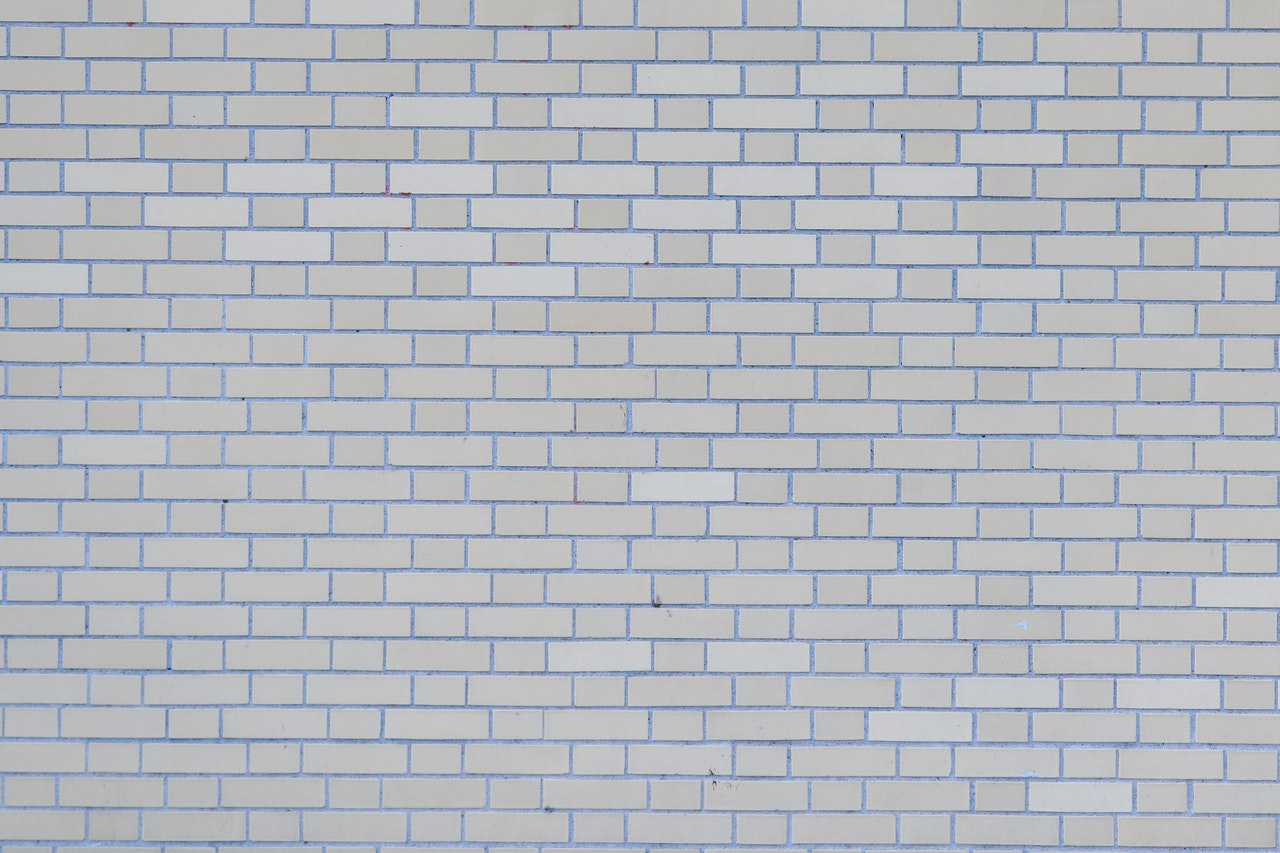
Brick wall cladding is an age-old design material. It comes in many shapes, sizes and colours. This helps to create a stunning effect that can definitely improve the overall design of your home.


Brick wall cladding is usually very thick. It also features a slightly rough texture that can make it look and feel more authentic. These properties make it a popular choice among homeowners trying to give their homes a traditional and rustic feel.


However, you should note that brick wall cladding is not the best option if waterproofing is a priority to you.


3. Stone Wall Cladding


Stone wall cladding is another popular design choice. It comes in a variety of colours and finishes. This makes it possible to practically match any home design as well as any wall colour.


Stone wall cladding is also very durable. It can resist moisture and heat, making it perfect for areas exposed to a lot of rain.


However, stone wall cladding is a bit more expensive than other cladding options. From installation to material costs, stone wall cladding comes at a high price.


4. Aluminium or Zinc Wall Cladding


Aluminium and zinc wall cladding are great for areas exposed to harsh weather conditions. The materials are even used in high-grade buildings because they are super-durable and resistant to corrosion.


While aluminium and zinc wall cladding are both made from the same material, there are subtle differences between the two.


Zinc wall cladding is thinner than aluminium, but it can last longer. It also has thicker beams that you can use to create a variety of design choices.


Aluminium wall cladding, on the other hand, is thinner. It is also suitable for creating different designs. However, it will not last as long as zinc wall cladding.


5. Weatherboard Wall Cladding


Weatherboard wall cladding is a more traditional option. However, it is still prevalent among today’s homeowners. Weatherboard wall cladding provides a contrast that makes any home appear more rustic and classic.


However, weatherboard wall cladding is usually relatively thin. It is usually not very durable as well. Weatherboard wall cladding can get damaged or deteriorate faster than other types of wall cladding.


Final Thoughts


When choosing the right wall cladding for your home, remember first to keep your design in mind. You can then choose from one of the many available options or mix and match them to create a unique design for your home.


If you need cladding in the Gold Coast, Brisbane and Queensland areas, check out We Plaster & Recruit. We commit to offering high-quality results at the most reasonable price. For the best metal cladding installation service available in Sydney, give us a call today!

Creating a Soundproof Barrier Using Soundproof Drywall

You may want to create a soundproof barrier in your home for many reasons. If your home is situated on a busy street or intersection, or if you notice noise leaking out of one room into another, you can create a soundproof barrier with drywall to get increased privacy and quiet.


Creating a Soundproof Barrier Using Soundproof Drywall


Soundproof drywall is basically the same as regular drywall, with a few added features. It is a composite of very sound-absorbent materials, such as glass fibres and mineral boards, which absorb 65% to 75% of the sound wave entering the drywall.


This is different from standard drywall, which only absorbs 30% to 35% of the sound wave. This is also able to keep sound out when screwed into place, as it seals the material and prevents sound waves from penetrating the drywall.


Soundproof drywall can be purchased in a variety of thicknesses, ranging from 1″ to 2″. The thickness of the drywall can be increased to give more soundproofing; however, it cannot be reduced without losing effectiveness.


Soundproof Drywall vs. Insulation


Soundproof drywall is often confused with insulation. Although soundproof drywall is used for sound absorption and insulation, the two materials are not the same.


Insulation is used to keep heat in and cold out and is made of porous material that does not absorb sound. Soundproof drywall, on the other hand, absorbs sound waves and significantly cuts down on noise.


Insulation is often used in conjunction with soundproof drywall, but it is not necessary. It is a good idea, however, to use both if you are trying to soundproof a large area of your house, such as a home theatre.


How to Install Soundproof Dry


Soundproofing drywall can be installed between two existing walls, up an entire wall, or in the ceiling of a room. It is often installed in a room with a door to make sure the soundproofing is effective or in an attic or basement to keep noise from travelling throughout the house.


Soundproof drywall can be installed in an existing sheetrock wall by attaching it with screws. If you want to add soundproof drywall to an existing panel, you will want to drill a hole in the panel and then attach the drywall with screws to the studs behind the wall.


To install soundproof drywall in your ceiling, first, install the soundproof panels using strong screws and a pneumatic nail gun. Then, install the soundproof panels onto a substrate, such as wooden beams or ceiling joists, using nails or screws.


Conclusion


Soundproof drywall is a great option if you do not want to throw away your existing drywall. It can be installed in nearly any home and gives you a lot of flexibility in terms of soundproofing your home.


When soundproofing your home, you have to consider a variety of factors, such as the amount of sound you need to block out, the size of your room, where your soundproofing needs to go, and the type of sound you need to block.


Soundproof drywall takes a relatively simple concept and makes it more effective. When soundproofing your home, the more material you have between the sound and your room, the more effective the soundproofing will be.


If you are looking for help with drywall in Brisbane, come to We Plaster and Recruit. We believe in quality work to breathe in new life to the interiors while also giving you value for your money. Over the years, We Plaster and Recruit have mastered and worked on all sorts of plastering contracts. We follow strict protocols and guidelines to make our work stand out.

The Various Benefits of Applying Exterior Cladding to Your Home

The exterior cladding of a house protects its interior and its overall structure. Just like how our skin protects our body’s organs and muscles from the external bacteria, it preserves the house’s interior elements from the outside weather conditions.


They are usually made up of different materials, each of which has its own characteristics. The type of material used is dependent on the overall design of the house, its theme, and the common external climate. The claddings can be made of wood, metal, stone or even concrete.


That said, they provide a variety of benefits in the long run. Below are just a few examples.


1. They Ensure Safety and Protection


Exterior cladding provides protection to the house and its occupants. It provides a barrier that prevents both physical and water damage. The kind of cladding you have installed also determines the level of protection that it can provide.


If you are installing limestone cladding, it will be harder to break into. Stone cladding is also a more durable option and is resistant to harsh weather conditions.


2. They Are Durable


The durability of each cladding type is determined by its composition. However, most exterior claddings are usually made from very durable materials. These materials can withstand the various weather conditions that your home is bound to experience.


It is also important to determine the overall durability of the cladding. As mentioned, there are different types of cladding materials. Wood, for example, is not as long-lasting as stone. On the other hand, stone cladding can last longer than brick or concrete.


3. They Are Cost-Effective


Exterior cladding materials are also relatively affordable. One of the best things about it is that it does not require frequent maintenance. It does not go through any cosmetic changes, making it a great choice for homeowners on a budget.


4. They Offer Exceptional Appearance


The appearance of your house is another important reason why you need to install exterior cladding. The look of your house can greatly affect its value. Many homeowners resort to exterior cladding to protect their investment and increase their home’s appeal.


The appearance of your house largely depends on its exterior. After all, it is the first thing that people see when they glance at your house. Exterior cladding can create an amazing appearance and make your house stand out.


5. They Enhance the Overall Value of Your Home


Exterior cladding also increases the value of your property. It can add up to its value in the future if you ever plan to sell it. It can add up to a couple of thousands of dollars in your home’s value.


If you are planning to sell your house, a considerably beautiful exterior will make it more attractive to potential buyers. It can help you sell your house faster.


6. They Are Low Maintenance


Most types of exterior cladding do not require much maintenance, making it a practical choice. Stucco, for example, is low-maintenance as it is resistant to water damage.


On the other hand, brick requires regular maintenance, including repointing and cleaning. There are some cladding types that require full repainting, such as unpainted wood.


Conclusion


Whether you are building a new home or simply improving the appearance of your current one, exterior cladding is a great solution. The different types of cladding materials will provide a variety of benefits in the long run.


The durability of each type of cladding also determines its overall cost. Hire one of the best building contractors to help you decide on the right cladding material for your home.


If you are looking for a company that specialises in exterior claddings in Brisbane, look no further than our services here at We Plaster & Recruit. We are a registered plastering company providing the best plastering services with operations throughout Brisbane, Gold Coast and Queensland areas. Call us today and let us apply the correct cladding selection to your home in no time.

The Advantages of Painting Your Home before You Move In

So you finally got a new home and you should be moving in soon. Congratulations for a new journey in your life! It is not an easy one as you will be facing more responsibilities as a house owner and you need to make sure not to neglect them.


One responsibility that is also exciting is designing your own home. You can finally add a personal touch to what the interiors will look like and one of the first steps is painting the interiors. Now, many people may decide to only paint their homes once they have moved in. But the truth is, there is no better time to paint it than before you actually make the move.


Why Paint the House Beforehand?


So, why should you make the effort to paint the house beforehand and not when you are already settled in? Below is a list of advantages of doing this.


1. No Furniture in the Way


One of the major reasons why you should paint a house before it is actually moved in is because of the furniture. Once you have moved in, it will be harder to move out all the furniture and make way for the painters or for yourself. It will take additional effort to either paint around without missing spots or have to exert some hard work to get the furniture out of the way and back to where they were before.


2. One Less Thing to Worry About


Imagine having already moved in and just wanting to relax, then you see the bare walls. Thinking about it could be completely stressful and you may be frustrated. However, if you get it done ahead of time before the stress of moving settles in, you will have one less thing to worry about when you are nearing your move. Once you have settled in, you’d be glad to see that the walls are finally ready.


3. Furniture and Décor Inspiration


If you haven’t bought any décor or furniture for your home yet and aren’t sure what approach to take, you can take inspiration from your already painted walls. By deciding what color walls you want and painting them beforehand, you may already be able to build a picture of the interior in your mind and you will no longer have trouble deciding what kind of furniture you will be purchasing for your home.


4. Time-Saver


Overall, painting your home before you and your family have settled in will save time. With people inside the home, you may end up having to adjust to their schedules and constantly have to worry about them getting in the way of the painting job. But without anyone else, you or the painters can work quickly. This could immediately save you a lot of time because you are able to work quickly without having too many disruptions and disturbances and could make the whole process more convenient.


Conclusion


So, all in all, you should paint your house before you move in. This is one of the best things you could do, especially if you have no furniture yet to get in the way. Not only will you have more of a chance to work quickly, but also you will be able to save time from having to adjust your schedule to the painters. With just a simple plan and your creativity, you’ll be able to create the best and most comfortable home for you and your family.


If you are looking for a plastering service in Brisbane, Gold Coast and Queensland, you can contact We Plaster & Recruit. We are a fully licensed and insured plastering company ready to give you high-quality work with the best value for your money. Contact us to learn more.

Everything You Need to Know About Gyprock Plasterboards

When building a new home, whether it’s your first or third time, you’ll want to ensure that your materials are of the highest quality. Plasterboard from Gyprock, a name recognised by Australian contractors and master builders for decades, is the only brand to consider.


This article will run you through everything you need to know about Gyprock.


What Is Gyprock?


Gypsum, paper, and a minor quantity of additives make up Gyprock’s plasterboard products. It has a paper liner made out of 100% recycled paper and boxes. Its additives are created from starch, foam, and other non-toxic materials.


Gypsum, a non-toxic sedimentary rock, is mixed with a foaming agent to generate a wet plaster mix used to make Gyprock plasterboard. The plaster is applied and wrapped around the paper’s edges on a thick piece of paper. To form a plaster “sandwich,” a layer of linerboard paper is put over the top of the plaster application.


Before shipping to retailers, the plaster sandwich has been oven-dried. The finished product has two paper-wrapped long edges and two cut edges.


Gyprock offers a wide range of specialty goods, including ordinary plasterboard, to fulfil the demands of contractors. Their new Optimised Core technology enables Gyprock to make boards with increased breaking strength while maintaining a reduced weight.


How Is This Plasterboard Used?


Plasterboard is commonly used to construct interior walls and ceilings in business and residential buildings. Many ceiling repair specialists choose Gyprock, including industry experts such as builders, architects, and designers. 


It is utilised for various reasons because it complies with a wide range of construction rules, including thermal efficiency, fire protection, and acoustic insulation. It’s also used for other things, like preventing ceiling damage in high-humidity locations by controlling condensation.


The Benefits of Using Gyprock Plasterboards


Gyprock has various benefits, which makes it an ideal material for contractors. Some of its benefits include the following:


  • When compared to alternatives, it is less costly.
  • Incredibly versatile
  • Lightweight
  • It may be used on a variety of surfaces.
  • Very secure
  • Less time-consuming
  • Installations and repairs are completed quickly.
  • Material that can be recycled


As it is a commonly used brand, you would also have fewer problems should you need Gyprock repair. Numerous experts in Australia are trained to assess and repair your Gyprock plasterboards.


How Gyprock Plasterboards Are Installed


Gyprock plasterboard sheets may be installed on wood or steel frames with Gyprock Acrylic Stud Adhesives and plasterboard screws or nails. Using a tape and jointing compound technique to disguise the joints may get a more seamless appearance. The plasterboard sheets may also be sanded to make decorating or painting easier for you or the contractors.


Affixing Gyprock plasterboard sheets to brick or block masonry surfaces is also an option. This may be accomplished by using Gyprock Masonry Adhesive to adhere the plasterboard to the wall directly. Alternatively, you can apply a furring system to these surfaces and attach it with the suitable Gyprock system.


Conclusion


From building a house to ensuring a particular infrastructure’s construction is solid, Gyprock is a must-have for Australian homes and businesses.


Gyprock plasterboard sheets are a popular material for builders to use as it is functional and efficient. It’s easy to use, and the quality is always guaranteed. Although it is available in many products, you can use it for many applications.


If you are considering a plasterboard installation, you should look no further than the Gyprock brand. 


Are you looking for quality plastering services in Brisbane? We Plaster & Recruit provides fully licensed and insured professionals with the best plastering services. Give us a call to learn more!

Understanding Plasterboard and Gyprock for Home Improvement

Do plasterboard and gyprock differ significantly from each other? Not exactly, except in the name! The thing is, gyprock is also called gypsum board, drywall, or plasterboard.


Plasterboard is manufactured with a paper backing and gypsum plaster filling sandwiched between two sheets of paper. The paper is coated with waterproof glue to protect it from the moisture that invariably seeps in, and the surfaces are layered with paint or varnish so that they can be used indoors and out. 


They are also coated on the back with a material that prevents them from sticking to wires and pipes, so they can be used to insulate walls. 


Unlike conventional plaster—a mixture of lime, cement, and sand that makes it harder and more brittle—gyprock is quicker and cheaper to install and usable for many years since conventional plaster’s premium traits also necessitate higher costs. Nowadays, most people choose gypsum boards for their homes: this alternative material is easy to handle and saves money in the long term.


How Gyprock Came to Existence


Believe it or not, this particular kind of plasterboard began as an innovation of lime, sand, animal hair, and animal components used for creating smooth interior finishes on ancient walls and ceilings! Ancient Egyptian tombs feature paintings on the plastered walls, just as the Romans did in their buildings. Australian homes featured timber nailed across the frame and then covered in plaster as protection against the elements until the 1940s!


However, as early as the late 1800s, a new material— now commonly known as ‘plasterboard’—was invented. It comprised multiple layers of gypsum applied to thick paper. As improvements to the product were made, it became lighter and more durable. By the 1920s, the ‘plasterboard’ used in homes had become very popular because it allowed faster construction time.


Rectified sheets of plasterboard are now widespread and are used in a wide variety of locations. Besides use in residential settings, they are also used in offices and retail stores as wall coverings and ceilings and agricultural environments such as dairy sheds, silos, and horse stables.


Pertinent Gyprock Information


Aside from being low-cost (costing only a third of regular plasterboard), gyprock is also:


  • Easily installed.
  • Quickly repaired, which is why it is the preferred choice for minor repairs.
  • Sustainable through recycling.


More specifically, gyprock is a brand of plasterboards that are the building materials used to create walls, ceilings, and other surfaces in houses and buildings. Gyprock plasterboard consists of a core made from gypsum, a mineral that helps absorb water, and a paper-like facing that contains adhesive. 


The facing, or canvas, helps the plasterboard resist water damage while supporting the structure of the gypsum core. Gyprock plasterboard is typically flush to the wall, creating a smooth surface that can be painted over.


When it comes to maintenance, gyprock must be kept dry and protected from moisture throughout their lifetime. Inspecting them for cracks, impacts, or other damage (at least once per year) will help ensure that they continue to work as intended.


Conclusion


If you’re looking for construction material similar to plasterboard but costs less and gets the job done anyways, get gyprock in Brisbane from We Plaster & Recruit! We handle contracting tasks and hiring, so you get the right people for the job. Call us now at 0481-416-120 or request a quote from our website today!