ABN: 11 641 139 568

Blog

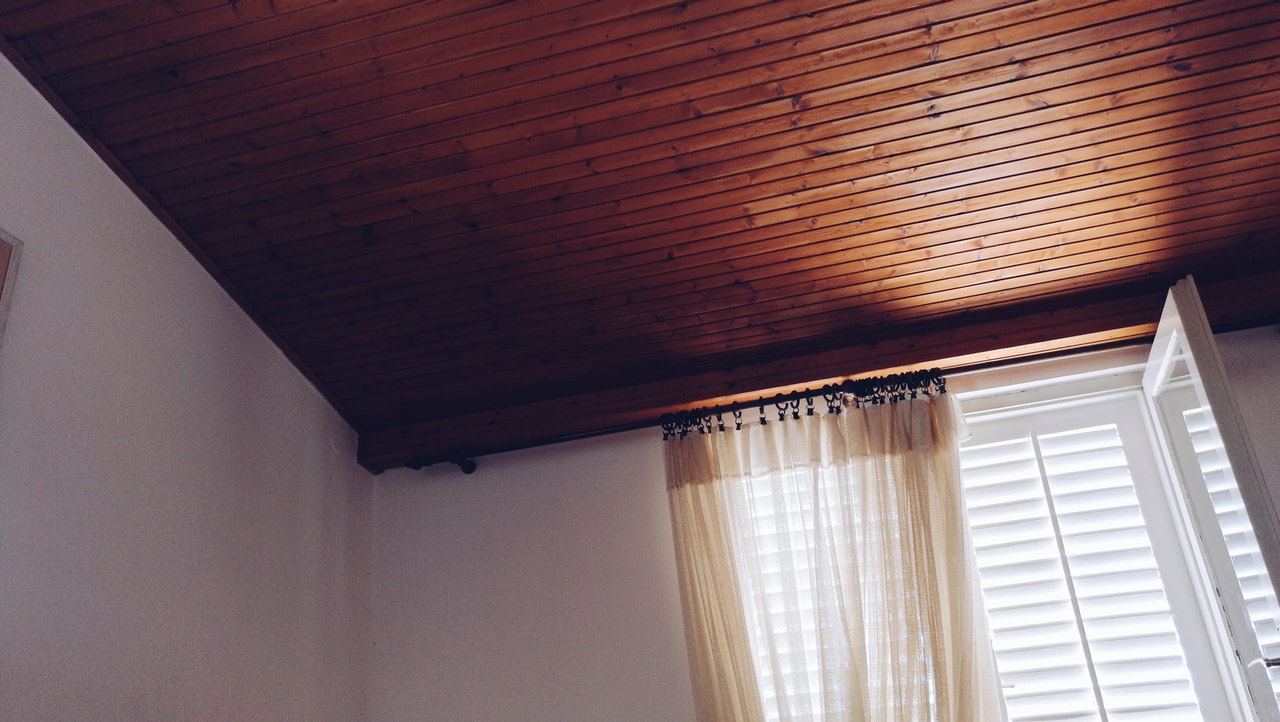
Replace Popcorn Ceiling with Gyprock Ceiling like This

Popcorn ceilings are textured canopies that became popular in the late 1930s. It is made of popcorn-like material and is usually white. It is made from vermiculite, the heated natural material to expand it. It was and is still used for insulation because it is fire-resistant and lightweight.


These ceilings were popular in the past because they were cheap and could cover up any imperfections. However, they are not very popular now because they are difficult to clean and can be dangerous if they start to peel, especially since they could contain asbestos. 


Those who want to DIY their popcorn walls for a more modern choice like gyprock ceilings should exercise caution. Since your popcorn ceiling may contain asbestos, it is important not to disturb it. Scraping or otherwise damaging the ceiling could release asbestos fibres into the air, which can be harmful if inhaled. Asbestos exposure has been connected to serious and potentially deadly diseases like lung cancer, mesothelioma, and asbestosis. 


If you are going to modernise with gyprock ceilings, here’s how you should do it:


Determine Its Asbestos Free


This first step cannot be undertaken by yourself. You must get your ceiling professionally tested by a health or roofing expert who will scrape a sample and bring it to a lab for testing.


Scrape It Like This


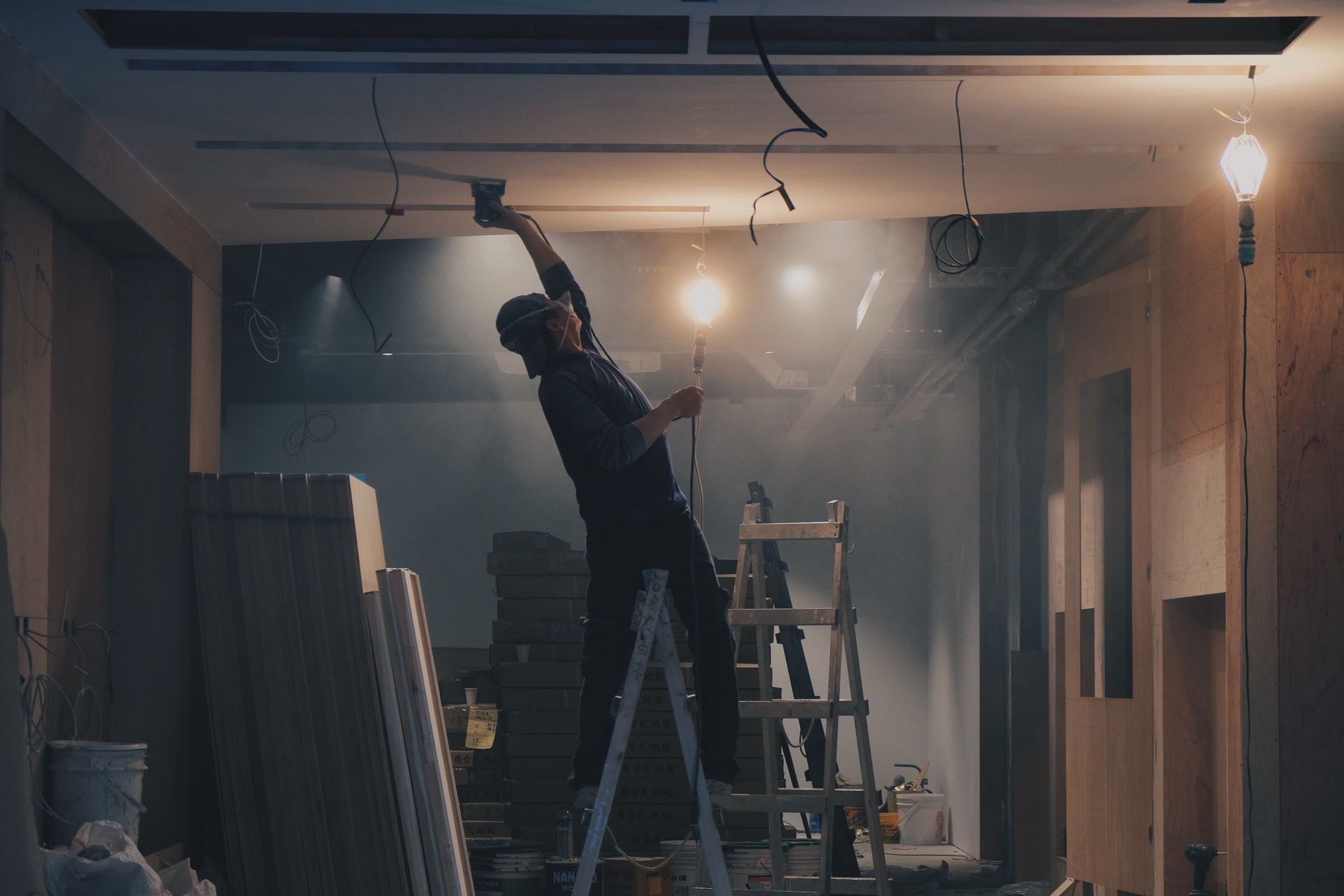
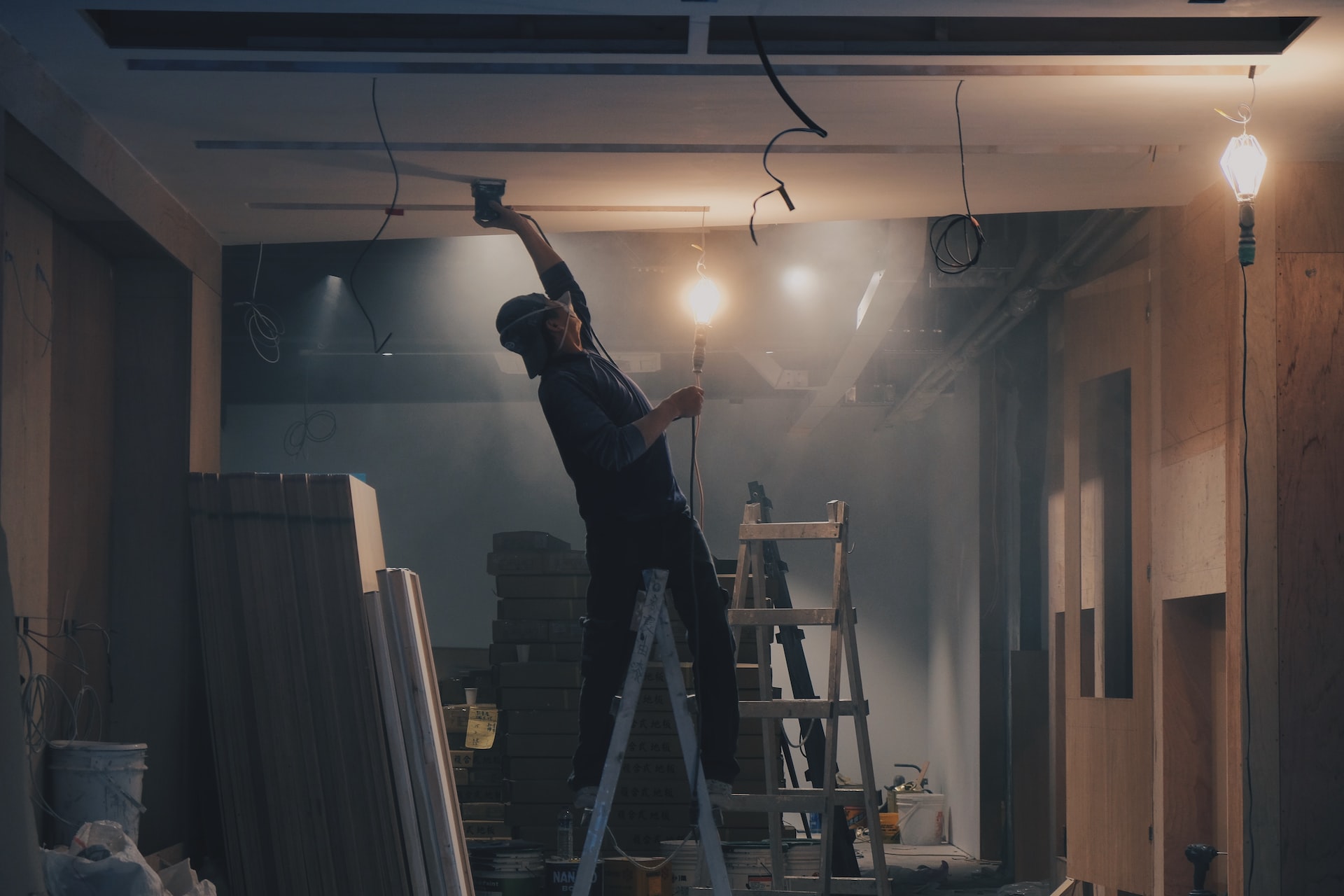
Start by covering the floor and walls with a roll of painter’s plastic. This will protect your surfaces from any debris. Use a putty knife or a similar tool to scrape the popcorn ceiling. Gently scrape the surface in a back and forth motion until all the popcorn is removed. You may need a step ladder to accomplish this.

You can use either dry or wet sanding to accomplish this:


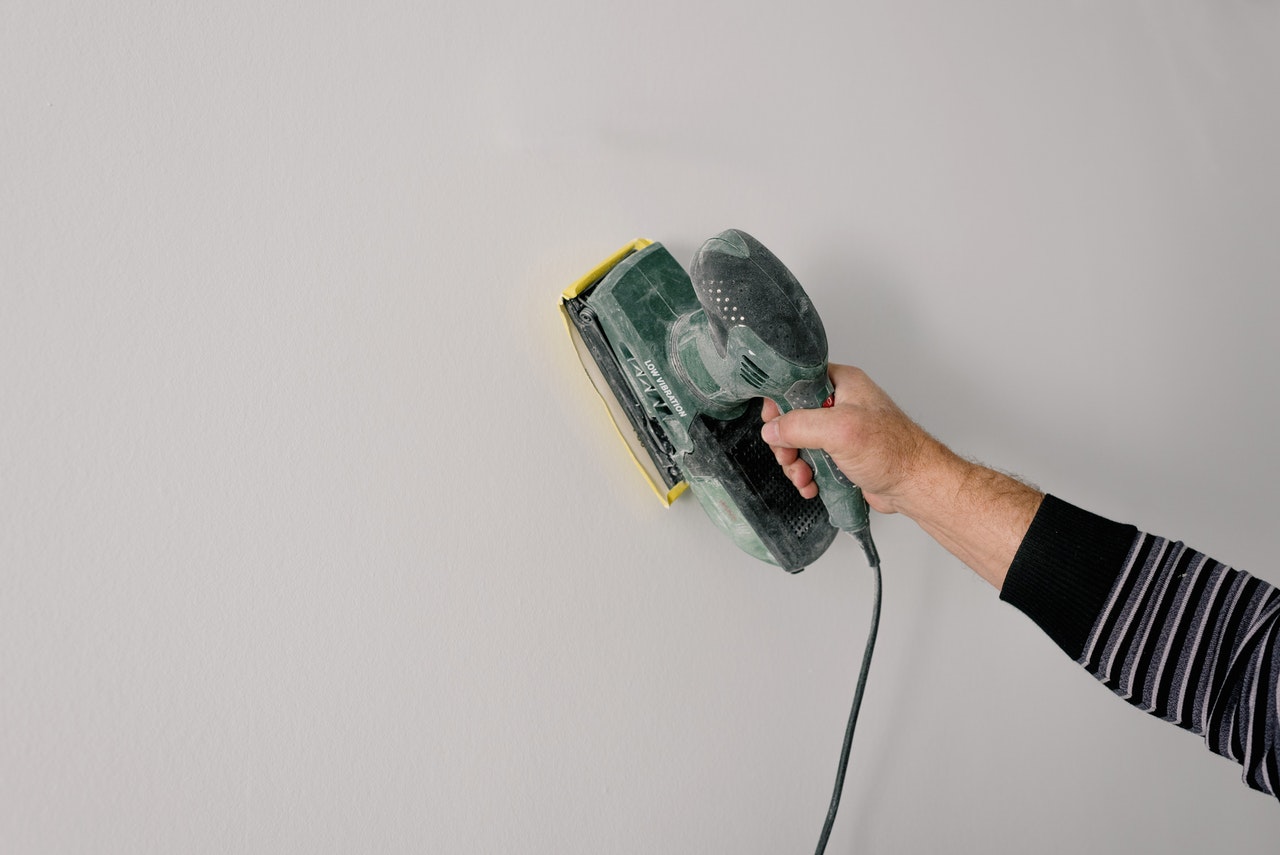
  • Dry sanding is a process of sanding that uses no water or other lubricant. Dry sanding is typically done with very fine sandpaper and is used to create a smooth, even finish on various surfaces.

Use a utility knife to remove the textured surface of the ceiling. Be careful not to damage the ceiling by keeping the blade as flat as possible, or repairs will be required if the ceiling is gouged.


To make the surface of your wall smoother, you can spread a thin layer of joint compound over it. Once the mixed compound is dry, you can sand it down so it’s smooth. Then, you can repaint the wall.


  • Wet sanding is a process of sanding using water to lubricate the sandpaper and prevent clogging. Wet sanding is typically used to remove paint or finishes from surfaces and smooth and level rough surfaces.

To remove a popcorn ceiling, start by spraying the ceiling with water to dampen it. Then, use a utility knife to scrape off the texture. Be careful not to damage the drywall ceiling beneath. Once all the texture is removed, sand the surface smooth.


The main difference between a chemical stripper and dry scraping is that the chemical stripper will make the job easier. You must not damage the ceiling by keeping the blade flat and waiting for the surface to dry before repainting it.


Or, To Be Sure, Get Professional Help from the Very Start


If you’re going to test your popcorn ceiling for asbestos, you might as well get expert help for the entire process. That’s where We Plaster & Recruit comes in.


We’re a registered plastering firm that handles hiring the proper contractors for renovation projects, like replacing a popcorn canopy into a gyprock ceiling in Brisbane, so you and your family remain safe from hazards. Contact us now at [email protected] or visit our website!

10 Amazing Renovation Ideas to Boost Your Home’s Value

Are you planning to sell your home or renovate your house but want to make sure that your property’s value goes up? If so, then there are a ton of things you can do to ensure that! Everything from upgrading your appliances down to redecorating your walls is just an example of what you can do to add value to your beloved home.


With that being said, here are the top renovation ideas you can to boost your home’s value:


1. Spruce up Your Curb Appeal


First impressions matter, so take some time to make sure your home’s exterior is looking its best. This may mean power washing the exterior, painting the trim, or planting some colourful flowers.


2. Update Your Kitchen


The kitchen is often the heart of the home, so it’s no surprise that potential buyers will be focused on this space. If your kitchen is outdated, consider investing in some new appliances, countertops, and cabinets.


3. Give Your Bathroom a Makeover


Like the kitchen, bathrooms are important spaces in the home. If yours is in need of an update, consider new fixtures, tiling, and vanities.


4. Create More Living Space


One way to add value to your home is by creating more living space. This can be done by finishing a basement or attic or by adding an extension.


5. Make Your Home More Energy Efficient


Energy efficiency is a big selling point these days, so consider making some upgrades to your home’s insulation, windows, and heating and cooling systems.


6. Add Some Outdoor Living Space


If you have the space, adding a deck, patio, or pergola can be a great way to make your home more appealing to potential buyers.


7. Spruce up Your Landscaping


Taking care of your yard and gardens can go a long way in making your home more attractive. This may include mowing the lawn, planting some new flowers, and trimming the hedges.


8. Give Your Home a Fresh Coat of Paint


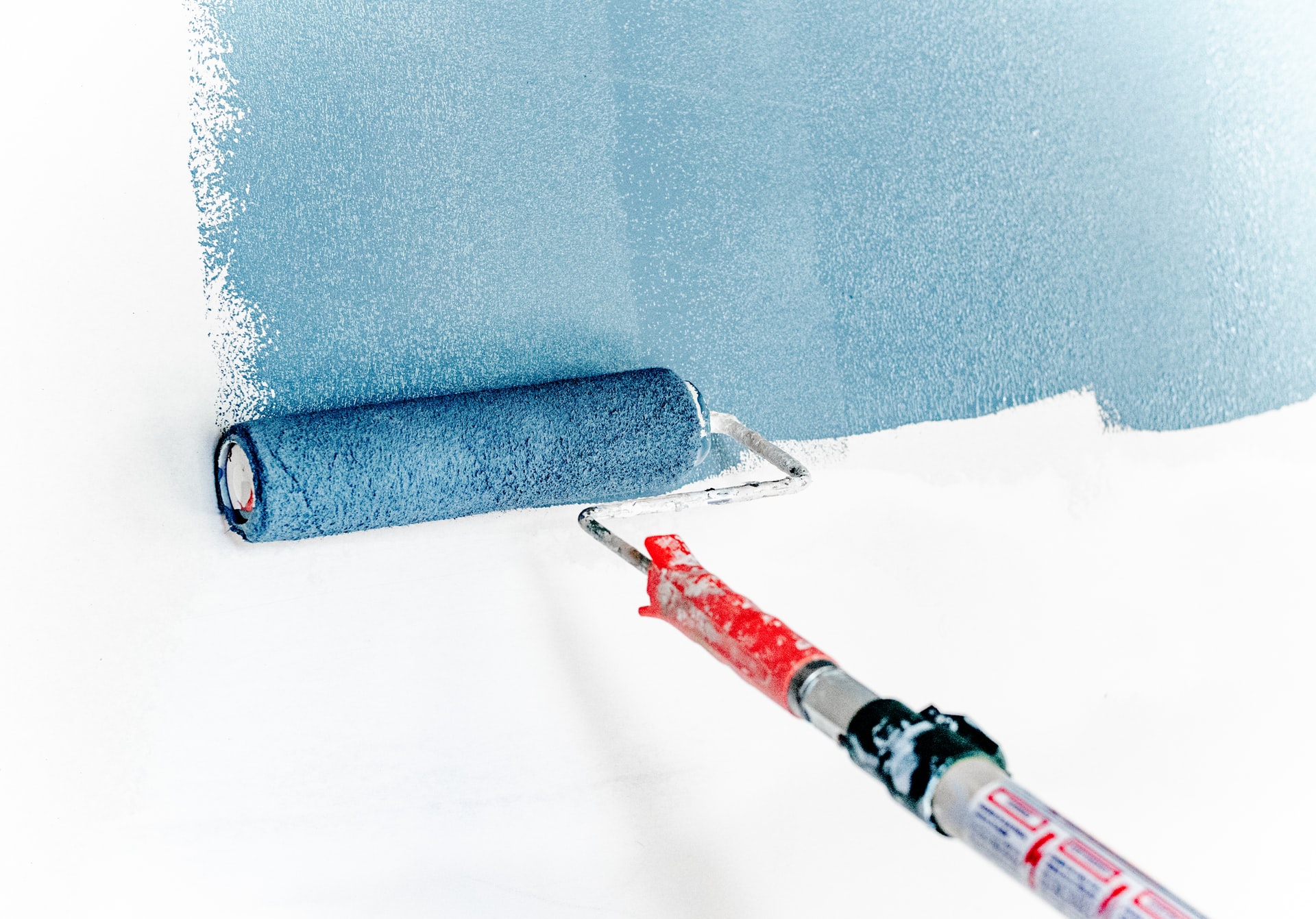
A fresh coat of paint can do wonders for a home’s appearance. When choosing a colour, opt for something neutral that will appeal to a wide range of buyers.


9. Make Your Home More Secure


Making your home more secure can make it more attractive to buyers. Adding features like an alarm system or security cameras can give potential buyers peace of mind, knowing that their new home will be safe and protected.


10. Invest in Some Home Staging


If you really want your home to stand out, consider hiring a professional home stager. This can make all the difference in how potential buyers perceive your home.


Conclusion


As you can see, there are absolutely so many ways you can add value to your home, from investing to home staging to sprucing up your landscaping. Either way, pick out a few and do them for your next renovation activity. Not only will you enhance some for your own personal enjoyment, but when the time comes for you to sell it, you can sell it for a much higher price!


We Plaster & Recruit is a plastering company that offers the best plastering services. If you are looking for a plasterer in the Brisbane, Gold Coast, and Queensland area to help with your renovation, get in touch with us today!

How to Choose the Right Exterior Paint Colours for Your Home

It’s always important to have a beautiful exterior for your home. For one, if you’re selling it, having a nicely painted exterior can help attract buyers. But if you have no plan on selling it anytime soon, it can still be beneficial to give your home’s exterior a new paint job. That’s because it’ll help give neighbours and visitors a good impression of your home. But the key is to pick the right colours for your home’s exterior.


Consider the Neighbourhood Colour Scheme


When looking at colours for your home’s exterior, it can be tempting to pay little or no attention to the colour scheme of your neighbourhood. But choosing the wrong colours can put your home at odds with the rest of the neighbourhood – and that can make it look out of place. One good idea is to take a walk around your neighbourhood and take note of what other houses are painted. If you’re lucky, they’ll be in a similar theme as yours. But even if not, your home’s new coat of paint will still complement the neighbourhood and local community.


Consider Your Home’s Interior


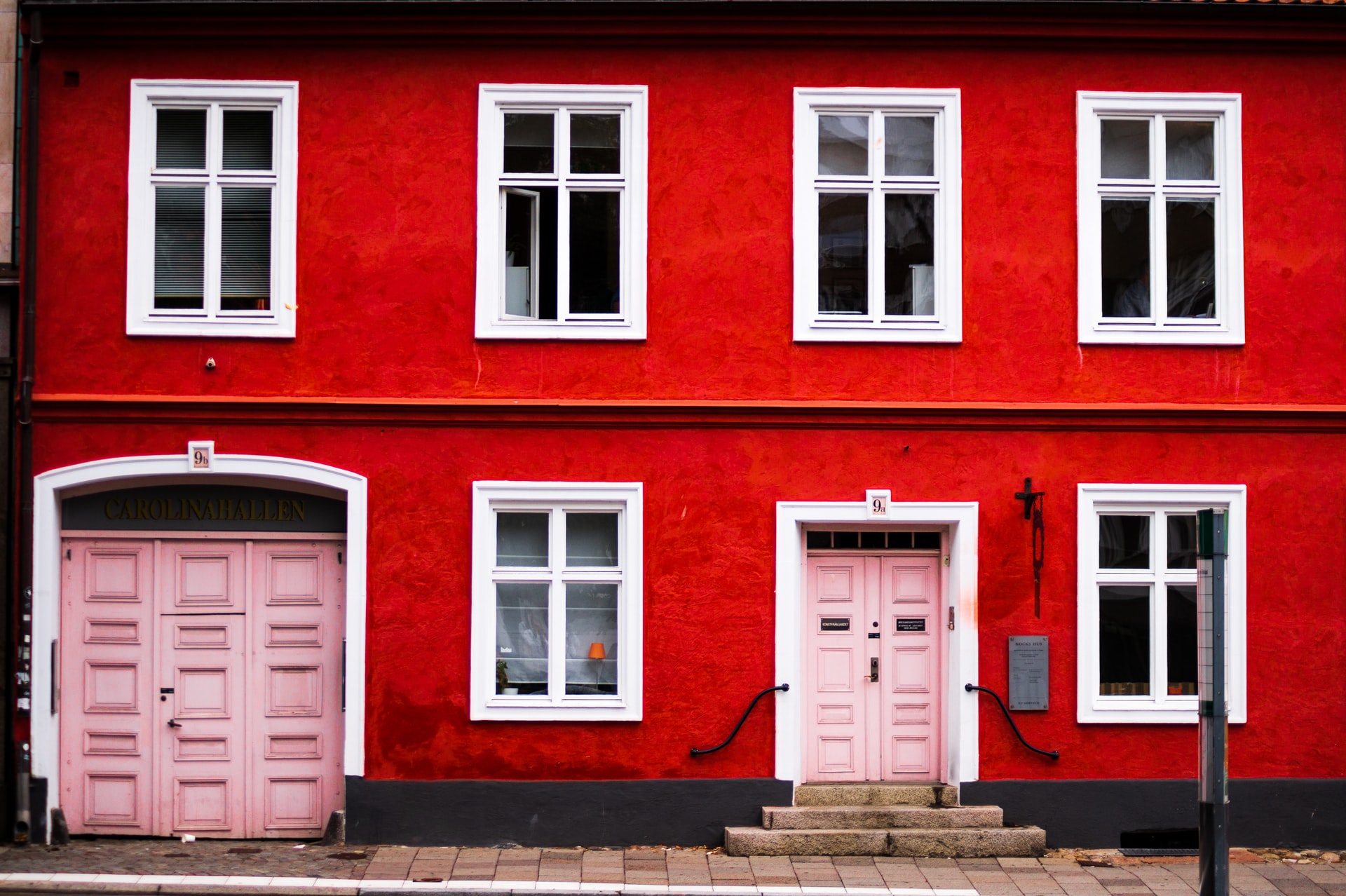
Many homeowners choose exterior paint colours based on the interior colours of their homes. It’s a good idea because it blends the inside and outside of your home together. But you should also try to keep things a bit more subtle. For example, if your home’s interior is primarily white, but you want to paint the exterior red, it might not be a good idea. Instead, choose a deeper shade of red or burgundy.


Consider Your Home’s Style


You should also think about the style of your home when you’re choosing colours for the exterior. If your home has a modern or contemporary style, you’ll likely want to choose colours that complement that look. If so, you could go with a lighter shade of red, for example. But if you have a more traditional home, you might want to stick to bolder colours like eggplant or cobalt blue.


Test Out Different Paint Colours


There are also several ways that you can test out different colours before you decide which one you want to use. If you’re handy, you could apply all the colours you’re considering to a small portion of your home’s exterior. By doing this, you’ll be able to see how the exterior looks in all different lights.

Or you could simply paint a large piece of cardboard in each colour you’re thinking of using. By doing this, you’ll be able to see how the colour looks on the exterior of your home. If you do this, you’ll also need to walk around your neighbourhood with the cardboard, so you can see how the colour looks in different lights.


Final Thoughts


If you’re trying to choose the right exterior paint colours for your home, you should consider your neighbourhood, home style and home interior. By doing so, you’ll be able to find colours that complement those details, and that will make your home look fresh and vibrant.


Spruce up your home’s exterior with the help of We Plaster & Recruit. We are a registered plastering service in Brisbane that also offers sensational painting services. We help you choose the right colour scheme to match any style you desire. Get in touch with us today!

How Is Plasterboard Used in the Construction of Buildings

Plasterboard continues to have several advantages of rising environmental consciousness and business obligation to this day. We’ll examine plasterboard in this article and see why it’s still so prevalent.


What Is Plasterboard? 


Drywall (also called drywall) is a recyclable material created from plaster sandwiched between two layers of heavy-duty paper. It is used most frequently as the surface for a wall because it can be painted or papered and provides excellent soundproofing and good insulation. 


The process of creating drywall was invented by Samuel Hoover in 1894, using felt paper instead of the recycled paper used today. Compared to traditional lime plaster, which required days of work to apply, drywall was faster, easier to install, and cheaper overall.


The finished product was still smooth after installation, which made it great for painting or papering. Today, you can find drywall in homes (where it is often called “plasterboards”), offices, art studios and even on tall ships and submarines.


What Is the Purpose of Plasterboard?


Plasterboard is attached to studs to build walls in residential home construction and lightweight framed commercial construction, but it can also be attached to masonry walls, including brick. 


It also lines ceilings and builds architectural pieces like arches, eaves, and curving walls. Plasterboard can be used in commercial buildings to top off masonry walls above ceilings and to create columns to hide steel beams.


The characteristics of the various plasterboards vary, including:


  • Soundless – Because of their thickness and gypsum core, some varieties of plasterboard reduce sound transmission. Compared to conventional plasterboards, specially designed plasterboards have a higher density core to limit sound transmission further.

  • Nonflammable – By releasing chemically bound water when heated, the non-combustible core of the plasterboard wall slows the spread of heat and fire (a process similar to evaporation). Plasterboard acts as a heat-insulating barrier and has a low smoke density and flame propagation index.

  • Easy to Install  – Lightweight plasterboard makes installation quick and simple. As an alternative, hard plaster in masonry-built structures requires much more time to apply and produces more mess on the job site because it is a wet trade.

  • Resistant to Mould and Moisture – The core of the wet area plasterboard has added elements that decrease moisture absorption, and it has a unique coating to prevent mould growth. It is perfect for bathrooms and kitchens since it resists moisture.

  • Sustainable – A project’s carbon footprint can be reduced using plasterboard. Drywall lowers transportation expenses because of how light it is. Gypsum, the primary component, is a mineral that occurs naturally. Additionally, the plasterboard is recyclable, and the liner paper is produced using leftover cardboard and newspaper.

  • Economical – Plasterboard can be easily made, and the materials that go into its creation—recycled paper, gypsum, a few additives, and water—are commonly accessible. Drywall products generally cost less than most other wall alternatives. Furthermore, because of its durability, maintenance is simple and affordable. 

  • Flexible – However, it also works well in various business settings, including offices and warehouses. Plasterboard is a standard component of residential construction. It is among the building materials with the most versatility.

Conclusion 


This article has helped you learn that plasterboard is one of the most often utilised building materials in today’s construction. It is adaptable, affordable, sustainable, simple to install, non-flammable, and moisture and mould resistant compared to others.


Are you looking for plastering services in Queensland, Brisbane, or the Gold Coast? Get in touch with We Plaster And Recruit today. Our company can provide top-quality plastering services, giving you value for money!

Tips to Increase the Value of Your Home and Impress Buyers

A seasonally adjusted report from the National Association of Realtors shows that in November, sales of previously owned houses jumped 1.9 percent from October to 6.46 million units. Potential buyers may find your home more enticing because of the better weather and newfound energy.


But if you want to raise its value, you’ll have to put in some effort.


Here are some pointers for attracting potential buyers and increasing the resale value of your home, from improving the appearance from the outside to updating the interior:


1. Enhance the External Appearance 


Increasing your house’s curb appeal is one of the most cost-effective home upgrades you can do. Your home’s exterior will attract more guests if it is visible to a larger audience. Consider adding features that increase the aesthetics of your property and its durability and security. 


Unlike natural wood, composite timber cladding will not decay or discolour in the sun or rain. This will be seen favourably by buyers interested in making a long-term investment in your home. 


Fencing the front yard is another excellent approach to enhance the property’s street appeal. While adding seclusion and protection, a fence for the front yard makes it more functional than merely a lovely green for display. 


A fenced-in front yard is a secure haven for children and pets to run around in. Composite fencing is a perfect option if you want the look and feel of a natural timber fence but don’t want to deal with the upkeep.


2. De-clutter Your Space 


You don’t need to spend a penny on improving the value of your property. Clear away all the things that make your house appear cluttered, bustling, and “lived in,” such as family photos, small kitchen appliances, books, and toys, throughout a single weekend. 


The idea is to create an open, clean environment that a potential buyers might imagine themselves living in. Also, do a complete residence cleaning, whether you want to do it yourself or hire a cleaning company.  With this, your house will appear larger, brighter, and more inviting to potential buyers.


3. Update the Coat of Paint 


Even if you can’t afford to paint your entire house, painting areas that are often used (the kitchen and bathroom) or that appear scuffed can add 1% to 3% to the value of your property, depending on the quality of the paint. 


The turquoise colour in the guest bathroom or the forest green bedroom of your kid might also use a re-do—bright and gaudy paint colours are rarely well-received by potential purchasers. Instead, stick to neutral shades like greys, off-whites, and creams instead of brighter ones for your interior design palette.


4. Upgrades to the Kitchen or Bathroom 


When it’s time to put your home on the market this spring, don’t skimp on updating the kitchen and bathroom. These two rooms may instantly update or date a house when done correctly. 


As a result, they are essentially selling elements. To make a space “immediately liveable,” consider doing a little repair job, such as replacing a broken bathroom sink or a missing countertop in the kitchen, rather than doing a total overhaul.


5. Take Full Advantage of the Backyard 


Homebuyers all over Australia are considering the possibility of their property’s backyard as an addition to their living space, thanks to the country’s increasingly warm environment. For this reason, you may immediately boost the market value of your property by building a decked outdoor entertaining area. This could be the feature that convinces them to make an offer. 


The highest return on your investment will come from composite timber decking. It won’t need to be repainted or changed every few years because there is no possibility of water damage or decay.


Conclusion 


You can do several things to increase the value of your home and impress buyers. By making simple improvements such as painting the walls, decluttering the space, and adding curb appeal, you can make your home more appealing to potential buyers.


Additionally, it’s essential to be realistic about your asking price and be willing to negotiate. Following these tips can increase your chances of selling your home quickly and reasonably priced.


Do you need plastering services in Brisbane? Plaster & Recruit has a team of professionals specialising in all plasterwork and rendering elements. We can determine whether the underlying cause of cracks is soil settlement or another issue. Feel free to contact us right away!

How to Use Polished Plaster for Your Commercial Space

Commercial building owners have relied on plastering services nowadays as part of their interior design. After all, polished plaster is a material that has been used for centuries for both decorative and structural purposes. It’s a relatively easy component to work with, and it has several benefits when it comes to using it in a commercial setting.


The Advantages of Using Polished Plaster


One of the main benefits of using polished plaster is that companies can use it to create many different textures and finishes. This makes it an excellent option for boosting a bit of personality to a space and helping to develop the overall durability of the finished product.


Another benefit of using polished plaster is that it has different finishes. This means that it can create a range of styles, whether you’re looking for a traditional look or something a little more contemporary.


Finally, polished plaster is a relatively affordable material to use in a commercial setting. It can be a good option for building owners who want to add a bit of personality to their space without breaking the bank.


Creating a Luxurious Ambiance


Polished plaster has been a staple for many commercial outlets to evoke a real sense of class and luxury. For instance, restaurants with modern interior designs can add a layer of polished plaster to their walls to create an indulgent and inviting ambience.


Aside from that, if you want to bring out the beauty of your polished plaster, it’s essential to take note of the lighting. After all, lighting plays a massive role in a surface’s perception. You’ll want to use light fixtures that emit warm tones to help highlight the sheen and lustre of your polished plaster.


Points to Keep in Mind When Determining a Polished Plaster


Before you contact the nearest plastering services in your area, you need to remember the following:


1. Type and Grade of Plaster – Not every polished plaster is equal. For example, for the plaster to be called a “polished plaster,” it must be gypsum plaster. Moreover, there are three grades of gypsum plaster:


  • Type I is the slowest-drying option for interior wall and ceiling finishes.
  • Type II is a medium-drying plaster used for most interior applications.
  • Type III is a fast-drying plaster used for exterior applications and areas that will receive heavy traffic.


2. Preparation – To properly adhere to plaster, you must prepare the surface appropriately. This includes removing any peeling paint, cleaning the surface of all dirt, dust, and grease, and repairing any cracks or holes.


3. Application – Plastering is a skilled trade and should be applied by a professional. Improper application can lead to a poor quality finish and even be dangerous.


4. Size of the Room – Just because you think having the polished plaster finish applied to your whole house will make it look grand doesn’t mean it will. The size of the room and the amount of plaster required will affect the overall cost.


Conclusion


Polished plaster is a versatile material that you can use in various ways to create a unique and stylish look for your commercial space. It is essential to consult with a professional plastering company before undertaking any work with polished plaster, as they will advise you on the best methods and products to use that can achieve the desired effect.


We Plaster & Recruit is one of the best plastering companies on the Gold Coast that can help you with your polished plaster needs. Get in touch with us today for more information.

What Are Plasterers and How Do They Do Plastering?

A plasterer is a professional who applies plaster to walls and ceilings. The primary purpose of plastering is to provide a smooth, hard surface that is both decorative and protective. Though the process has been around for centuries, modern plasterers have access to various tools and materials that make the job easier.


Here is an overview of facts you should know if you plan to hire a plasterer for your next home improvement project:


What Are the Qualities of a Good Plasterer?


Good plasterers must also be customer-focused, as they often work closely with homeowners and other contractors. The best plasterers are committed to delivering the highest craft and customer service standards.


By paying attention to detail and maintaining a focus on quality, plasterers can ensure that every job is completed to the satisfaction of their clients.


What Does a Plasterer Do?


Plasterers need to ensure there are no screw or nail holes and that walls and surfaces are clean. Protection needs to be used for the floor and surrounding areas. They hold wet plaster or lime onto the building’s exterior.


A plasterer is often the first person to enter a building after it’s been newly constructed. They work quickly and efficiently, using a “plastering hawk” tool that helps them keep hold of wet plaster or lime without getting any on the skin. They also do sound insulation using soundproofing foam or plaster.


What Type of Materials Do Plasterers Use?


There are three main types of plaster that plasterers use: lime, cement, and gypsum. Each type has its advantages and disadvantages, so the kind used will depend on the job’s specific needs.


Lime plaster: Lime plaster is known for its durability and strength. However, it can be tricky to work with and takes a long time to dry. A mixture of sand and lime that is 1 part lime to 3 parts sand is often used to restore and rehabilitate ancient structures.


Cement plaster: Cement is a powder made of grey volcanic rock that can be mixed with sand and water to make a sturdy base for brick walls, block walls, and stone partition walls. It is much easier to work with than lime plaster and dries quickly. However, it is not as durable as lime plaster.


Gypsum plaster: It is the most recent plaster type made from calcium sulphate. It is effortless to work with and dries very quickly. Gypsum plaster is also more expensive than the other two types.


How Do I Choose the Right Plasterer?


Choosing the right person to plaster your house is vital to get the best results.


  • The person you choose should be highly experienced, have all the right formal qualifications and be able to carry out different types of plastering work.
  • They should also be trained to comply with the latest Occupational Health and Safety regulations.
  • They should deliver the highest standards of quality and customer service.
  • They should keep you fully informed of the project’s progress at every stage and ensure all your requirements are met.


By choosing the suitable person for the job, you can be sure that your house will be plastered to a high standard.


Conclusion


Plasterers are craftsmen who use plaster to cover walls and ceilings. As a result, walls would be a smooth, even surface that can be painted or wallpapered. While the process of plastering may seem simple, it takes years of practice to perfect the art.


If you’re looking for a top-notch finish in your home, it’s best to call on the services of a qualified plasterer. We Plaster & Recruit have professional plasterers who can offer you plastering services throughout Brisbane, Gold Coast and Queensland. Contact us today or fill in our enquiry form online.

How to Cover up Leaks from Your Ceiling

Do you notice stains, bubbles, and discolouration on your ceiling? If so, it typically means one thing: your roof has leaks. It could probably be from your top, the chimney, windows, or utility lines. Whatever the cause, your roof must be checked immediately, as a small leak could develop into a big one if left unattended.


Signs That Your Ceiling Has Leaks


Before contacting a nearby plastering service, you must first take note of the following signs, common in homes with leaky ceilings:


  • There’s a faint discolouration and stains on ceilings with small leaks. 
  • They have an uneven appearance and unpleasant mouldy smell. 
  • In case of significant leaks, it can lead to a water stain and even cause a hole in the ceiling. This could lead to severe water damage if not immediately attended to.

However, take note that leaks are not always easy to spot. After all, its symptoms are not always dramatic. Some may assume the stains and discolouration of the ceiling as a sign of age. Others think it’s a plumbing issue or the result of condensation. Don’t hesitate to contact a nearby plastering service if the problem is beyond your capacity.


Roof Leak Solutions


Here are the following steps you can take to have your leaky ceilings fixed.


1. Try to Minimise the Damage


If there’s only a minimal problem with your ceiling, you can address it immediately by placing buckets beneath the drip. It will save you the trouble of maintaining a wet area. This method is beneficial during freezing periods to prevent water damage.


However, if you cannot tend to the leak promptly, you can place a tarp on the roof to contain the water. It protects your ceiling and the furniture, floor, and other items around the leak area.


2. Take Pictures of the Leakage


This step is imperative for those who want to make a home insurance claim. This can help you receive the whole cover for your ceiling leakage, especially if the problem is beyond your capability.


After all, it’s easy to find cracks, holes, leaks, and discolouration in your pictures. However, take photos of the leakage at different times. This way, you can compare and identify the difference, if any.


3. Look for a Reputable Plastering Service


Once you’ve gathered your roof’s damage, it’s time to find a reputable plumber. Make sure to ask your friends, neighbours, and your family for recommendations.


To have your ceiling fixed right away, you can also search for plumbing services online. Based on your location, you can use the local websites of your local government to find nearby plumbers.


4. Take Advantage of a Damage Assessment


Once the plumber checks your roof, they’ll provide you with the damage cost, materials you need, and other services you can avail of. During the assessment, negotiate with your plumber about the damage source and the bill. 


Most of them will be eager to discuss costs, provided you come with all the necessary materials. Remember that some materials, such as a new ceiling, will cost you a lot.


5. Replaster the Ceiling


After a plumber has fixed the source of the leak, you can now have it covered up by professionals. Call a reputable plastering company to do so, as they’ll ensure your space looks brand new.


Conclusion


If you find that your ceiling is indeed leaking, don’t hesitate to take action immediately. The sooner you do, the minor damage it causes. You’ll save money and protect your family from the possibility of severe water damage. Then, have professional plastering services work on your ceiling to make it look good as new.


We Plaster & Recruit is a registered plastering company that provides affordable and high-quality plastering services in Brisbane. Contact us today!

Answering 6 Questions about Applying Plaster over Wallpaper

Being a homeowner is a responsibility because a house is an investment you must protect. After all, there’s always a chance you’ll stay in one place during your lifetime, especially in retirement. This means applying various improvements for maintenance, such as plaster. However, one question that’s often asked in this regard is whether or not you can use it over wallpaper.


Usually, applying plaster is only done if the drywall is in bad shape or if the wall needs repairs. In these cases, you’ll want to ensure the wall is smooth before applying the plaster. But if you’re dealing with wallpaper, there’s a good chance the surface will be rough, making it a significant challenge when using plaster. Simply trying to use it can be disastrous, so not much can be done if you decide to do it out of nowhere. For this reason, we’ll answer several questions that get asked in this regard. Some of these include:


#1 – Is It Possible to Apply Coat over Wallpaper?


A wallpaper could get in the way of a homeowner’s desire for a plain wall because it can be difficult to remove and may require professional help. Removing the underlying layer of paint or drywall may also be necessary before installation, depending on the type of wallpaper.


Because of this, you must know the potential difficulties with wallpaper before installing it in your home. If you are not confident in your ability to remove it or do not want to deal with the hassle, it may be best to choose another option.


#2 – Is It Possible to Put Plaster over Paper?


You should never apply plaster directly on top of paper because it will not adhere correctly and will start to peel away shortly after. Remove the old paper if you want to apply plaster to a wall that already has paper.


It’s also worth noting that applying plaster over paper can be extremely difficult and may not produce the best results. If you’re determined to do it, remove as much old wallpaper as possible and use a strong adhesive to attach the new plaster.


#3 – Can You Apply Plaster over a Woodchip Ceiling?


You can plaster over woodchip wallpaper, but you must first ensure that a strong layer of paper is bonding to the wall. Otherwise, the plaster will sag and create cracks in the surface. This is an excellent way to create a textured look without having to add any extra thickness to the wall.


Furthermore, it’s also possible to paint over woodchip wallpaper. However, you should be aware that this may not produce the best results since the texture of the woodchip paper may show through after painting. It’s best to paint over woodchip wallpaper with a primer before painting to help smooth the surface.


#4 – Can You Apply Coat after Removing Wallpaper?


Yes, you can, but you should use a joint drywall compound, an adhesive that can seal gaps in a wall’s seams. A joint drywall compound seeps into the cracks and bonds the pieces of drywall together. This will make the wall stronger and less likely to develop cracks in the future.


When removing wallpaper, you must take time and be careful not to damage the drywall underneath. Once the wallpaper is removed, you may notice some cracks in the drywall. These can be repaired with a joint drywall compound. Once the repairs are made, you can apply a coat of paint to the walls.


#5 – Is Plaster Applicable over Glue?


This is possible, but it depends on the amount. If there is a lot of glue, try to remove it as much as possible. You can test a small area to see if a plaster coat works. From there, you can gauge whether or not you need to remove more glue before applying the plaster coat. It also helps to apply the plaster in thin layers so that the glue has less opportunity to seep through.


#6 – How Much Can Plaster Cost?


Assuming that you are talking about the cost of plastering a wall, the price can vary depending on the size of the wall, the type of plaster used, and other factors such as the contractor’s experience. Typically, plaster can cost up to $30 per square foot. However, the price can vary depending on the project’s scope, so shop around to get the best deal possible.


Conclusion


Plastering a wall is a skilled trade and takes many years of practice to perfect. Many different techniques can be used when plastering a wall, and the type of finish you are looking for will dictate which approach is best suited. If you are looking for a smooth, professional finish, then it is best to hire a professional plasterer to do the job for you.


If you’re looking for plasterers in Brisbane, We Plaster & Recruit can help you! Our professional plastering contractors use only the best materials, so we assure you that your home will always look beautiful. Simply go to our website to request a quote!

A Guide to Choosing Paint Colours for an Apartment

Choosing paint colours for your apartment doesn’t have to be difficult or stressful. You can create a harmonious flow between rooms by choosing a colour palette that coordinates with your overall home decor. Additionally, research has shown that colours can significantly impact our moods, health, and happiness.

These tips will help you create a comfortable space that suits you best.


1. Find Paint Color Inspiration


There are many ways to find inspiration for your home décor. You can flip through magazines and catalogues, browse retailer and paint brand websites, or look through social media sites like Pinterest and Instagram. Pinterest is beneficial for creating inspiration boards where you can save all your favourite ideas in one place.


2. Use Colour Theory to Create a Color Scheme


A colour wheel is a great tool for creating colour scheme ideas. With a turn of the wheel, you can see how colours might relate and learn the basics of colour theory. While you probably won’t be painting your home in the exact colours you see on the wheel, you can choose shades of those colours at your favourite paint store.


3. Colour Scheme for Your Apartment


In short, choose a colour scheme for your apartment, and stick to it. This will create a sense of cohesion and flow throughout the space. When choosing colours for your home, think about how you want the space to feel. If you want it to feel calm and relaxing, you might want to use a monochromatic or analogous colour scheme with cool colours. If you want it to feel bold and modern, you might want to experiment with complementary or monochromatic palettes. 


If you want it to feel romantic and vintage, you might want to use a triad scheme with warm accents. You can also get inspiration from a designer whose work you admire, a specific fabric or work of art. Be sure to choose colours you love that coordinate with elements in your home that you can’t easily change, like carpet or kitchen countertops.


4. Pull Your Paint Colour from a Print


If you want to pick a paint colour for your home, one easy way to do it is to find a print fabric that you like. You can get colour ideas from throw pillows, bedding, or table linens. If you want to make an accent wall, look for the boldest colours in the fabric. If you want something more subtle, look at the small details in the fabric. Take a swatch of the fabric to the paint store, so you can pick out paint strips to take home.


5. Sample Your Paint Colours before Committing


This is a simple rule that should never be ignored. Always sample any paint colour you’re considering. You must get the colour right when you are committing gallons of paint and hours to your project. You don’t want to skip this step. If you look at the back of the paint store, there are stacks of cans of returned paint from people that did not take the time to sample first. Don’t be one of them. Make sure to calculate exactly how much paint you’ll need, as well, so that you minimise waste.


Conclusion


There are a few things to remember when choosing paint colours for an apartment. First, consider the overall atmosphere you want to create in the space. Second, consider how the paint colours will work together with the existing furniture and décor. Finally, don’t be afraid to experiment—try out a few different colour schemes before settling on the perfect one.


We Plaster and Recruit is a registered plastering company providing the best plastering services with operations throughout Brisbane, Gold Coast and Queensland areas. We believe in quality work to breathe in new life to the interiors while also giving you value for your money. Over the years, we have mastered and worked on all sorts of plastering contracts. We follow strict protocols and guidelines to make our work stand out. If you need cladding services on the Gold Coast, we’ve got you covered! Get in touch with us today and let us know how we can help!