ABN: 11 641 139 568

Blog

Sustainable Cladding Solutions for Lower Energy Consumption

The use of energy-efficient cladding in buildings has become increasingly popular in recent years. This is because it offers a range of benefits, including reducing heating and cooling loads, improving insulation, and lowering energy bills. This article will explore how energy-efficient cladding can reduce heating and cooling loads and the different types of cladding available.


What Is Energy-Efficient Cladding?


Energy-efficient cladding is a type of exterior covering that is designed to reduce the energy consumption of a building. It achieves this by improving insulation and reducing heat transfer between the exterior and interior of a building. This means that less energy is required to heat or cool a building, resulting in lower energy bills and a reduced carbon footprint.


How Energy-Efficient Cladding Reduces Heating and Cooling Loads


1. Reduce Heat Transfer


Energy-efficient cladding reduces heating and cooling loads in several ways. Firstly, by improving insulation, it reduces heat transfer between the exterior and interior of a building. This means that less energy is required to maintain a comfortable temperature inside the building, resulting in lower energy bills.


2. Reduce Solar Gain


Secondly, energy-efficient cladding can also reduce solar gain. This is the heat that enters a building through the windows and walls. By reflecting solar radiation, energy-efficient cladding can reduce the amount of heat that enters a building, reducing the need for air conditioning.


3. Improve Ventilation


Thirdly, energy-efficient cladding can also improve ventilation. By allowing air to circulate around the exterior of a building, energy-efficient cladding can improve airflow and reduce the need for mechanical ventilation.


Benefits of Hiring Plastering Services for Cladding:


1. Expertise in Plastering Techniques


Plastering is a specialised skill that requires expertise and experience. Hiring plasterers ensures you get the best quality work and finish. They have the necessary skills and tools to apply plastering materials to walls and surfaces efficiently, ensuring a smooth and even finish.


2. Saves Time and Money


Hiring a professional plastering contractor for cladding can save you time and money in the long run. They have the necessary equipment, materials, and expertise to complete the job quickly and efficiently, reducing the overall project timeline. Moreover, they can help you choose the right plastering materials, saving you money in the long run as they will last longer and require less maintenance.


3. Provides a Range of Plastering Services


Professional plasterers offer various services, from traditional plastering to modern rendering techniques. They can provide you with various finishes, textures, and colours to suit your preferences and style. Moreover, they can also offer advice on the best plastering materials to use for your specific needs.


4. Enhances the Aesthetic Appeal of Your Property


Plastering can transform the look of your property, enhancing its aesthetic appeal and value. A professional plastering contractor can provide various finishes, textures, and colours to suit your style and preferences, making your property stand out.


Conclusion


Energy-efficient cladding is an excellent way to reduce building heating and cooling loads. It achieves this by improving insulation, reducing solar gain, and improving ventilation. Plasterers have the expertise to install this cladding and can help ensure it is properly sealed and secured. Furthermore, their added experience can help ensure the cladding is installed correctly, potentially reducing costs and energy bills. Therefore, hiring a professional plasterer to install energy-efficient cladding is a great choice for any building looking to save on energy costs.


Are you looking for professional plasterers in Gold Coast to help with cladding? Look no further than We Plaster & Recruit. We believe in quality work to breathe new life into the interiors while also giving you value for your money. Get in touch with us today!

Drywall vs. Plaster: Which Is the Better Option for You?

When building or renovating a home, one of the biggest decisions to make is whether to use drywall or plaster for the walls and ceilings. The best material for your project will rely on a number of criteria, as each has benefits and drawbacks. 


The following sections compare drywall and plaster to assist you in selecting the solution that is best for you.


What Is Drywall?


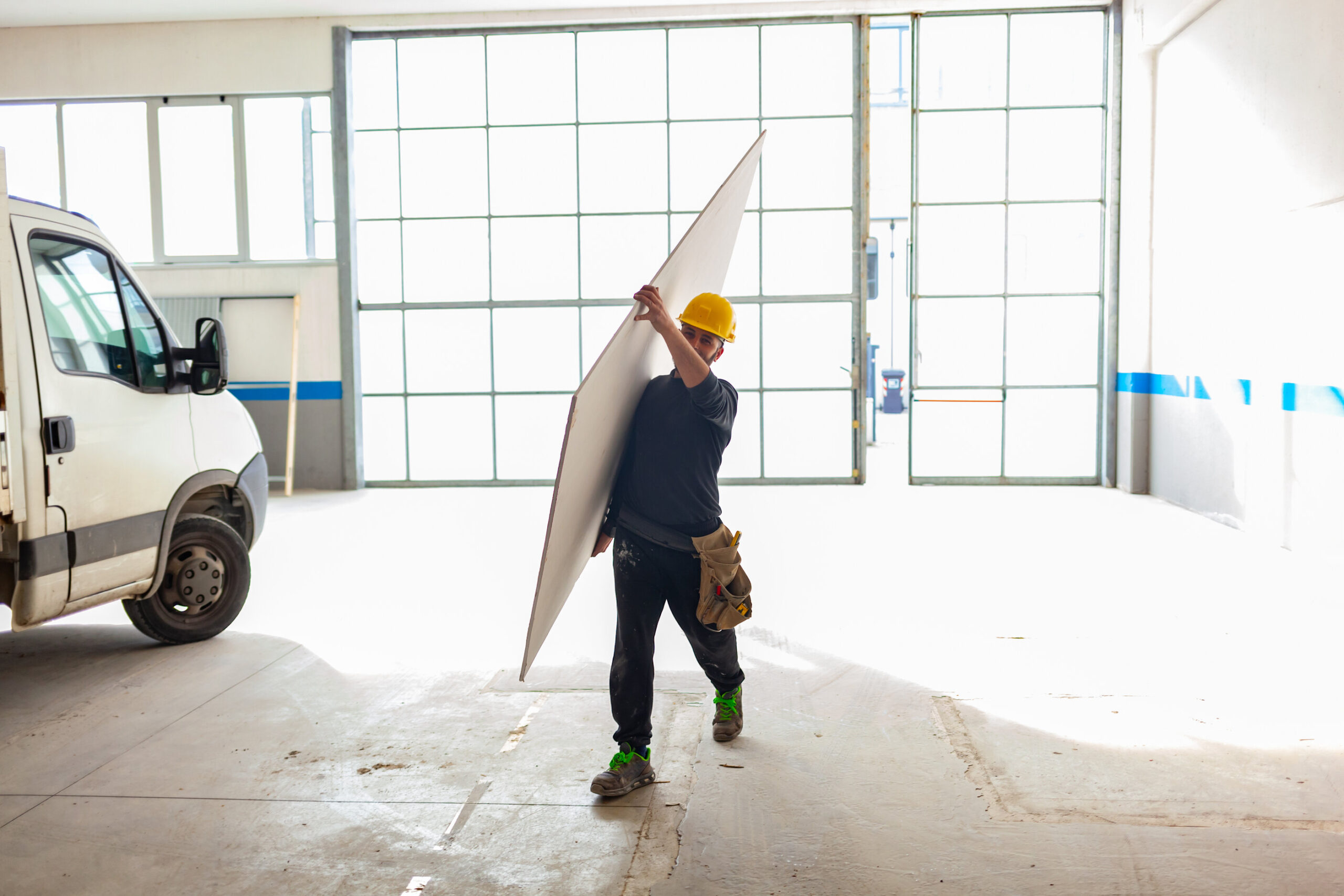
Gypsum plaster is pushed between two thick sheets of paper to create the panel known as drywall. It is a popular choice for residential and commercial construction due to its affordability, ease of installation, and fire-resistant properties. 


Drywall panels come in a variety of sizes and thicknesses and can be cut to fit any wall or ceiling.


Advantages of Drywall


Affordability: Drywall is one of the most affordable wall and ceiling materials available. It is much cheaper than plaster and requires fewer labor hours to install, which helps to reduce the overall cost of construction.
Easy to Install: Drywall is relatively easy to install, making it a popular choice for DIY projects. It can be cut to fit any wall or ceiling, and the panels can be screwed or nailed in place.
Fire-Resistance: Drywall is fire-resistant, which makes it a safer choice for homes and buildings. It can help to slow down the spread of flames and provide additional time for people to evacuate the building in case of a fire.

Disadvantages of Drywall


Prone to Damage: Drywall is prone to damage from moisture, impact, and other forms of wear and tear. Scratches, dents, and holes can easily occur, which can be expensive to repair.

Limited Design Options: Drywall has limited design options compared to plaster. It is difficult to create unique textures and finishes with drywall, which can limit the aesthetic appeal of a room.

What Is Plaster?


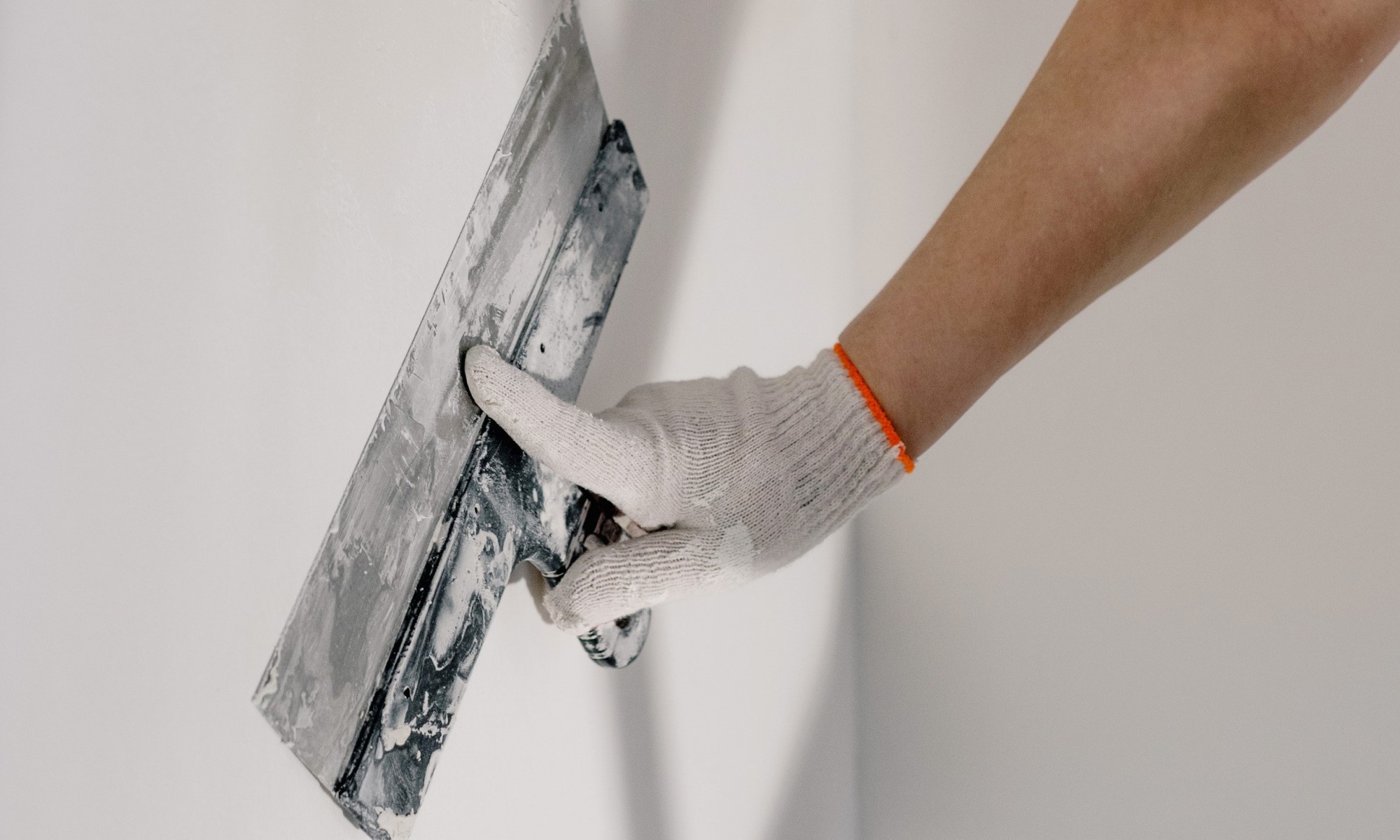
Plaster is a traditional wall and ceiling material made of a mixture of water, sand, and gypsum or lime. It has been in use for ages and is renowned for its robustness, longevity, and distinctive aesthetic appeal. 

It is typically applied in multiple layers and can be shaped and molded to create intricate designs and finishes.


Advantages of Plaster


  • Durability: Plaster is one of the most durable wall and ceiling materials available. It can withstand wear and tear, impact, and moisture much better than drywall.

  • Aesthetic Appeal: Plaster has a unique aesthetic appeal that cannot be replicated with drywall. It can be shaped and molded to create intricate designs and finishes, which can add character and charm to a room.

  • Soundproofing: Plaster has excellent soundproofing properties compared to drywall. It can help to reduce noise from outside or between rooms, which can be beneficial for homes and buildings located in noisy areas.

Disadvantages of Plaster


Cost: Plaster is much more expensive than drywall. It requires more labor hours to install and is a more time-consuming process, which can increase the overall cost of construction.

Difficult to Install: Plaster is much more difficult to install than drywall. It requires a skilled tradesperson to apply the material correctly, which can be challenging to find.

Prone to Cracking: Plaster is prone to cracking over time, especially in older homes. This can be caused by the settling of the building or changes in temperature and humidity.

Which Is the Better Option for You?


Choosing between drywall and plaster depends on several factors, including your budget, aesthetic preferences, and the condition of your home or building. 

Drywall can be your best option if you’re searching for a cheap and simple solution to install. Plaster can be a preferable choice if you want a long-lasting, distinctive material with good soundproofing qualities.


Conclusion


Plaster and drywall both have benefits and drawbacks, so you must carefully weigh your needs and preferences before deciding which is best for your project. Don’t forget to get in touch with a competent contractor if you have any inquiries or worries about your construction project.


We Plaster & Recruit is the best plasterer on the Gold Coast! We’re a registered plastering company that provides the best services with operations throughout Brisbane, Gold Coast, and Queensland. Contact us now to enhance your interiors!

Exploring the Benefits of Using Plaster For Home Renovations

Plaster is among the oldest and most widely used materials in home renovations. It has been used for centuries to create beautiful, durable walls, ceilings, and decorative accents. Over the years, advancements in technology have made plaster even more versatile, allowing for greater efficiency and a greater range of design possibilities.


In this blog, we’ll explore the benefits of using plaster for home renovations.


It Is Durable


Plaster is an ideal material for ambitious DIYers who want to renovate their home. It’s exceptionally sturdy and easy to work with, allowing for fast and smooth application without extra tools or knowledge. Its strong bonding properties make it unlikely to chip or crack with time.


It Is Versatile


Plaster can create a unique and attractive look on many materials, such as brick, concrete, wood and metal. It can be coloured in any hue, enabling homeowners to customize the aesthetic of their space. Additionally, intricate designs and patterns can be created with plaster, adding a stunning and personal touch to any home.


It Is Economical


This material is reasonably priced compared to other materials and doesn’t require much maintenance over time. This means that, after installation, homeowners can enjoy the results without having to worry about repair costs.


It Is Earth- Friendly


Plaster is a great choice for people who care about the environment because it isn’t toxic and can be recycled. Additionally, the natural nature of plaster allows for permeable walls and can help keep the air quality inside a building healthy.


Commonly Types of Plasters in Home Renovations


1. Lime Plaster


Lime plaster is a traditional plaster used for centuries in home renovations. It is a combination of sand, lime, and water, and it is known for its flexibility and durability. It is breathable, making it ideal for use in walls and ceilings since it evaporates moisture. It is also resistant to fire and can be used in areas where fire safety is a priority.


2. Gypsum Plaster


Gypsum plaster is a type of plaster made from gypsum, a soft mineral. It is a popular choice for home renovations because of its fast drying time and ease of application. It is also known for its high strength and water resistance, making it suitable for use in bathrooms, kitchens, and other areas with high moisture levels.


3. Cement Plaster


Cement plaster is a type of plaster made from cement and sand. It is commonly used in home renovations because of its durability and strength. It is also water-resistant, making it ideal for use in bathrooms and other areas with high moisture levels.


4. Acrylic Plaster


Acrylic plaster is a type of plaster made from acrylic resins and sand. It is a popular choice for home renovations because of its fast drying time and ease of application. It is also resistant to water and fire, making it suitable for use in areas where fire safety is a priority.


The Bottom Line


As you can see, there are many benefits to using plaster for home renovations. From its durability and versatility to its affordability and environmental friendliness, plaster is ideal for those looking to update their homes. With its wide range of possibilities, it’s no wonder that plaster remains one of the most popular materials for home renovations.


We Plaster & Recruit is a company that offers high-quality plastering services in Brisbane. We ensure that our customers get the best value for their money while also ensuring that the interiors of their homes or businesses look great. Contact us and request a quote for your needs.

5 Tips for Properly Maintaining a Polished Plaster Wall

Polished plaster is popular for homes and businesses because of its glossy, luxurious appearance. It is more durable and long-lasting than paint or wallpaper and is relatively easy to care for. With regular maintenance, it can stay looking perfect for years to come.


To make your polished plaster wall look new for years, here are five maintenance tips to follow:


1. Ensure the Wall’s Finish Is Sealed with Wax


Determining if your Venetian plaster wall has been sealed with wax before any cleaning or maintenance is attempted is essential. If it has not, the wall is more vulnerable to water, and it is best to consult a specialist. If the wall has been sealed, it should be easy to clean and maintain. Older walls may have lost their protective coating, so testing a small area is advised before cleaning.


2. Clean with Mild Soap and Warm Water


It is important to be gentle with the surface to clean a sealed polished plaster wall. Start by soaking a cloth in warm water and adding a tiny amount of mild liquid soap to the centre. Ensure the soap is gentle and does not contain bleach or harsh chemicals that might damage the wall. Gently rub the wall in circular motions to remove dirt and grime. If a stain is difficult to remove, try rubbing it gently with a commercial cleaning wipe that does not contain bleach. It is important never to use an abrasive cloth or product on the wall.


3. Dry Off Any Moisture Thoroughly


Sealed Venetian plaster is resistant to water, but it is important to dry off any moisture left on its surface properly. After cleaning the wall, dry the area with a soft, non-abrasive cloth. Move the cloth in circular motions to help bring back the shine of your plaster and make it look more vibrant. Take extra care to ensure no watermarks or smudges are left on the wall.


4. Make Repairs When Necessary


Polished plaster is known for its strength and durability but can still be damaged, leaving scratches and cracks. Fortunately, repairing it is simply because the plaster is applied in layers. It is possible to repair it yourself, but it is recommended to contact a specialist to ensure the wall looks perfect again.


5. Treat It Gently


Polished plaster is a great way to add a luxurious look to your home. It looks like marble, giving the space a classy, opulent feel. The best part is that it is very durable and requires little maintenance or cleaning to keep its gorgeous appearance. To keep your polished plaster walls looking their best, always use gentle cleaning products to preserve the surface of your polished plaster walls. This will help it keep its lustre and its beautiful look for years.


Conclusion


Proper maintenance of a polished plaster wall is essential to ensure its longevity and aesthetic appeal. Utilising the five tips outlined above can help to keep a polished plaster wall looking its best. Additionally, seeking professional advice and assistance when necessary can be beneficial in helping to maintain a polished plaster wall in good condition. Following these tips can help ensure your walls remain in good condition for years.


We Plaster and Recruit is a registered plastering company providing the best plastering services with operations throughout Brisbane, Gold Coast and Queensland. We believe in quality work to breathe new life into the interiors while giving you value for your money. We follow strict protocols and guidelines to make our work stand out. If you need plastering services in Brisbane, we’ve got you covered! Get in touch with us today and let us know how we can help!

Is It Okay to Use Venetian Plasters in Your Bathroom?

Venetian plasters are a type of wall covering with a unique and luxurious look that is becoming increasingly popular in homes. They are made from a mixture of marble dust, lime, and natural pigments, creating a beautiful, marble-like finish. That being said (and to answer the titular question above), yes, Venetian plasters can be used in any room of the house, including the bathroom.


The use of Venetian plaster in bathrooms can produce an opulent and relaxing ambience similar to that of a spa. Plaster’s smooth surface has the ability to reflect light, which in turn helps to give the impression that the room is larger. Because it is waterproof as well, it is an excellent choice for use in moist environments such as bathrooms.


The application of Venetian plaster can be made in numerous layers, with each layer having a different colour or finish to provide a look that is really one-of-a-kind. It is a wonderful choice for remodelling your complete bathroom or simply adding a touch of elegance.


Why Should Bathroom Renovations Include the Usage of Contemporary Venetian Plaster?


There is a wide range of material options available to pick from whenever it is time to renovate a bathroom. The appearance of conventional tiles might appeal to certain people, while others might be interested in something that is more distinctive and modern. You might want to think about utilising Venetian plaster on your walls if you’re going for a modern and streamlined appearance in your home. This material has been around for ages, and it has the ability to lend an air of classic sophistication to whatever bathroom it’s used in.


In addition, it is extremely long-lasting and requires very little upkeep. Because it is resistant to moisture and humidity, it is an excellent option for use in settings such as bathrooms.


The Many Benefits That Come with Using Venetian Plaster in Bathrooms


Venetian plaster is commonly used to give walls a smooth, polished appearance. On the other hand, it may be textured in various ways, enabling the creation of a wide variety of effects. Because of its many advantages, Venetian plaster is becoming an increasingly popular alternative for bathroom renovations.


Venetian plaster is a great option for rainy, humid settings because it is waterproof and mould-resistant. Because it is watertight and inhibits the growth of bacteria, it is an excellent choice for use in damp environments. After applying it in a very thin coating, it is then allowed to dry. After it has had time to dry, a smooth finish is achieved by polishing it. Its capacity to withstand moisture makes it a popular choice in laundries and kitchens too.


Venetian plaster is extremely durable and does not easily mark or chip. Nonetheless, it is essential to show care for the plaster by avoiding the use of strong chemicals or abrasive materials when working with it. It has a lifespan that is dependent on how well it is maintained over the years.


It can be coloured to any hue imaginable, including metallic tones, thanks to its versatility. They can either be polished to a high gloss or left matte for a more natural appearance.


To clean it, all that is required is a moist towel, and it can be wiped clean of any dirt or grime. A gentle cleaning solution can be used on stains that are more difficult to remove. It is also typically considerably simpler to maintain than other wall coverings. As a result of this, it is an excellent option for organisations or households who are constantly on the go and do not have the time or resources necessary to spend on maintenance.


It is also highly sturdy and will survive for a very long time. It is unscratchable and impervious to stains, and its colour will not change or fade with time. As a result, Venetian plaster is an excellent option in busy areas such as entrances, kitchens, and bathrooms. Venetian plaster also has the potential to reduce overall costs because it does not require replacement as frequently as other wall finishes.


Conclusion


Venetian Plasters can be a great choice for bathroom walls because of their durability, beauty, and minimal maintenance. Not only is it waterproof, but it also offers a wide range of colours and textures to choose from, allowing you to customise the look of your bathroom.


With the proper care and attention, Venetian plasters can be a great addition to any bathroom.


If you are looking for experienced plasterers on the Gold Coast, look no further than our experts here at We Plaster & Recruit. We are a registered plastering company providing the best plastering services with operations throughout Brisbane, Gold Coast and Queensland areas. Call us today, and let us deal with your cracked ceiling in no time!

Top Reasons to Hire a Plaster Expert for Your Project

Are you looking to upgrade or repair the walls in your home? If so, then you may want to consider hiring a plaster expert. Plaster experts have the knowledge and skills to ensure that your walls look beautiful and are structurally sound. Here are some of the reasons why you should hire a plaster expert:


1 – Quality Workmanship


Plaster experts are highly trained and experienced in the trade. They know all the latest techniques and processes to ensure that your walls are properly repaired or upgraded. They can also help you choose the best materials and finishes to suit your needs.


2 – Cost Effective


Plaster experts can save you money in the long run by doing the job right the first time. This is because they can identify problems that could lead to costly repairs down the road.


3 – Safety 


Plastering is a hazardous job and requires a great deal of skill. Plaster experts understand the safety requirements for the job and can ensure that your walls are repaired or upgraded safely.


4 – Time Saving


Plaster experts can get the job done quickly and efficiently. This is because they know the best techniques and processes to complete the job in a timely manner.


5 – Experience


Plaster experts have a great deal of experience in the field. This allows them to effectively and efficiently complete the job. They also have access to a variety of tools and materials that can help them finish the job quickly and correctly.


6 – Reduce Risks


Plaster experts can reduce the risks of mistakes by properly preparing the surfaces and using the right materials for the job. They also know the best techniques for smooth application and finishing. This helps to ensure that the job is done correctly and to the highest standard.


7 – Gain Peace of Mind


Having a plaster expert on the job gives you peace of mind that the job will be done correctly and to the highest standard. They can provide advice on the best materials to use and the best techniques to apply them. This will ensure that the job is done right and that you get the results you want.


Why Hiring a Plaster Expert Is Worth It


Hiring a plaster expert is worth it because they can provide you with the highest quality results and reduce the risks of mistakes. They are experienced in the best materials and techniques to use and can advise you on the best way to achieve the desired results. This will give you peace of mind that the job is done correctly and to the highest standard.


Plastering Is an Art


Plastering is an art form that requires a high level of skill and knowledge. Plaster experts have the experience and expertise to carry out the job to the highest standard. They can provide advice on the best materials and techniques to use, which will ensure that the job is done correctly and to the highest standard.


Conclusion


Hiring a plaster expert is worth it for the peace of mind and quality results it can bring. They can provide the best advice on the materials and techniques to use and ensure that the job is done correctly. They can also help to reduce the risks of making mistakes and ensure that the job is done to the highest standard. If you are considering a plastering project, then hiring a plaster expert is definitely worth the investment.


If you are looking for a reliable plasterer in the Gold Coast, contact We Plaster & Recruit. We are a registered plastering company providing the best plastering services with operations throughout Brisbane, Gold Coast and Queensland areas. Give us a call and tell us how we can help you today!

Which Signs Should Homeowners Observe to Find Ceiling Leaks?

Over time, specific house parts will eventually wear out and may need repairs. However, most of the time, wearing out does not happen instantly. Instead, it first manifests many signs and continues to progress. For example, ceiling leaks are not too evident at first.


But ceiling leaks can be dangerous because they can cause significant damage to the ceiling and the underlying structure of the building, leading to water damage, mould growth and structural instability. However, which signs should homeowners observe? Here are some ideas.


1. Bubbled Paint


Ceiling leaks can be a major headache for homeowners, as they can cause a variety of problems and can be challenging to identify and repair. One of the most common signs of a ceiling leak is bubbled or cracked paint on the ceiling. It is a tell-tale sign that water enters from the ceiling to the walls.


Water can enter the ceiling from various sources, including a leaky roof, a plumbing leak, condensation, or even a leaky gutter. If you notice bubbled or cracked paint on your ceiling, it is essential to take action quickly to try to identify and repair the source of the leak.


2. Rancid Water


Another tell-tale sign of a ceiling leak is rancid water. If you notice a strange odour coming from your ceiling or walls, it is likely due to a leak. Water sitting in the ceiling or walls for an extended period can cause a musty or mouldy smell, while the leaks can look dark or rancid.


The type of water can also contain bacteria and other contaminants, which can be hazardous to your health. If you notice a rotten water smell coming from your ceiling or walls, it is essential to take action quickly to identify and repair the source of the leak.


3. Soft Spots


Soft spots in your ceiling can be another indication of a ceiling leak. If you press your hand against the ceiling and it feels soft or spongy, water is likely pooling in the area. A roof leak, plumbing issue, or another water source can cause this.


Soft spots can cause the ceiling to sag or collapse if left unchecked. It is essential to identify and repair the source of the leak as soon as possible to prevent further damage. Having it fixed should ensure the safety of everyone inside the house.


4. Water Stains


Water stains are one of the most apparent signs of a ceiling leak. These dark marks can appear on the ceiling or walls, ranging from small spots to large circles. The size and shape of the stain can help you determine the source of the leak.


Stains are often caused by a broken pipe or a roof leak, ranging in colour from yellow to brown. If you notice water stains on your ceiling, it is essential to call a professional to identify and repair the source of the leak.


5. Mold Growth


Mould is common in many homes and can be a serious problem if left untreated. Mould can cause various health issues, including respiratory, skin irritation, and neurological problems. Understanding what causes mould growth is essential to prevent it from taking hold in your home.


The most important thing to do when dealing with mould is to identify the source of the moisture. If you can locate the source of the moisture, you can take steps to reduce it and prevent future mould growth. Ceiling leaks are often the culprit. Therefore, start checking for the leaks at the top.


Conclusion


If you’re a homeowner, you know that ceiling leaks can be a huge problem. Not only can they cause significant damage to your home, but they can also put your family’s safety at risk. Regarding ceiling leaks, it’s essential to identify and address the problem as soon as possible.


We Plaster & Recruit is a group of contractors helping homeowners repair and maintain houses. Our plastering service can mend various surfaces, preventing leaks and holes from worsening. Learn more about ceiling repairs by browsing our website today.

Exploring Different Drywall Styles and Textures – Part 2

Drywall is a commonly-used material in the construction industry and is one of the most versatile wall materials available on the market. It can be used in a variety of different styles and textures to create unique looks in any project. From the traditional smooth finish to the more modern, textured walls, there’s a wide range of options when it comes to drywall styles and textures. Let’s continue our discussion on drywall textures and styles, so you know which one to include in your home.


Advantages of Drywall


Drywall is beneficial for a variety of reasons. Firstly, it’s lightweight, allowing for installation on ceilings and walls with ease. It also offers great versatility, allowing for a variety of patterns, colours, and textures that match any space.


Moreover, drywall helps with enhancing the energy efficiency of a space. Besides trapping air and providing insulation, drywall can be treated on one side with a veneer, which further helps to further reduce heat transfer.


It’s also fire-resistant, which can be an important factor for many, especially for commercial spaces. Finally, for those who are price-conscious, drywall is one of the most affordable wall building materials on the market.


Types of Drywall Finishes


There are several types of drywall finishes available to create different looks:


Smooth Finish: This is the most common type of drywall finish. It involves sanding the drywall to create a flat, even surface that can then be painted or wallpapered over.


Textured Finish: This type of finish involves applying a textured surface to the drywall. This can be done by hand with tools like trowels and sponges, or by using specific drywall texturing spray. Textured finish is great for achieving a more modern look.


Faux Finish: Faux finish involves applying a base coat of paint and then using various techniques to create a pattern or texture on the wall. Common faux finishes include faux wood grain, marble, and stone.


Wallpaper: Wallpaper can be applied directly to the drywall for a unique look. There are various types of wallpaper to choose from, including textured, painted, and vinyl.


Tips for Installing Drywall


Installing drywall is a great way to finish a room, but it can be a tricky task if you don’t have the right tools and materials. Drywall installation requires careful planning, attention to detail, and a good understanding of the process. Here are some tips for installing drywall so that you can get the job done right.


  • Make sure to measure carefully before cutting the sheets to ensure they fit perfectly.
  • Consider renting a drywall lift to make the installation process easier and faster.
  • Prepare the surface by sanding, cleaning, and priming the wall before installation.
  • Ensure that the seams and corners are smooth to prevent cracking and other damage.
  • Caulk the seams and nail or screw the drywall in place.
  • Apply joint compound to the seams and corner beads and sand them down for a smooth finish.
  • Allow the wall to dry completely before painting or wallpapering.

Conclusion


Drywall can be used to great effect in a variety of different styles and textures. From smooth to textured to faux finish, there is something for everyone. Installing drywall can be tricky, but with a bit of preparation and the right tools, it can be done in a relatively short amount of time. With a bit of effort, you can create a beautiful, customized result that will fit your design aesthetic.


If you’re looking for professional plasterers near your location, trust only We Plaster & Recruit. We are a professional plastering service company specializing in painting, gyprock, and plastering services. We offer a wide range of plastering services and use only the highest-quality materials to ensure that your job is done correctly. Our team of experienced plasterers will make sure that your walls and ceilings look perfect. Contact us today to request a quote!

Exploring Different Drywall Styles and Textures – Part 1

When renovating a home and considering drywall, deciding on the right style and texture often causes confusion. Having a clear understanding of the options available makes the selection process an easier one. Beyond aesthetics, the kind of drywall chosen also affects the sound transmission and fire resistance of any space. Read on to explore the different drywall styles and textures, choosing the best option.


What Is Drywall?


Drywall, also referred to as sheetrock or plasterboard, is a type of wall covering material made from gypsum plaster and paper that is used to make walls and ceilings. It is hung on track systems and then sealed with drywall compound and nails or screws. The use of drywall makes the installation of walls easier and faster than is the case with many traditional methods.


Different Drywall Styles


Standard Drywall


One of the most traditional and common types of drywall is standard drywall. This is the regular drywall that is used for making walls in residential and commercial buildings. It is available in 4×8, 4×10 and 4×12 panels that are hung using nails or screws on a wall’s studs. Standard drywall typically has a square edge which gives the walls an unfinished appearance, but the edges can be taped and mudded to provide a smoother finish.


Moisture-Resistant Drywall


Moisture-resistant drywall is specifically designed to resist moisture, making it ideal for use in spaces that are prone to high humidity, such as bathrooms, kitchens, and basements. It is manufactured with a special core that helps it to resist moisture better than standard drywall. It is also available with a green edge, making it ideal for application in bathrooms and other areas with wet conditions.


Soundproof Drywall


Soundproof drywall is made from denser material than standard drywall and is designed to reduce sound transmission. It is much thicker than standard drywall and can help to reduce noise pollution in busy office and residential spaces. It is also helpful in theatre rooms and media rooms where soundproofing of walls is a top priority.


Fire-Resistant Drywall


Fire-resistant drywall is made with a core that is resistant to fire. It is typically required by building codes in areas that are prone to wildfires or other fire hazards. Fire-resistant drywall is also available with a green edge, like moisture-resistant drywall.


Textured Drywall


Textured drywall can provide a unique look to any room. It is created by applying sprayed-on textures or compounds to the wall before it dries. Textured drywall can be used to provide a consistent look in a room or to create different looks for different areas. Popular textured drywall styles include stucco, brush, knock-down and orange peel.


Conclusion


Drywall is an essential part of any renovation, so it is important to consider the different styles and textures available before making a decision. There are various types of drywall available, each with different benefits, such as standard, moisture-resistant, soundproof and fire-resistant drywall. Textured drywall can also be used to provide an interesting, unique look to a space. Ultimately, the right style and texture will depend on the space’s needs and the desired aesthetic.

For all your plastering and drywall needs, trust only We Plaster & Recruit. We are a professional plastering service company that offers high-quality services to both residential and commercial clients. We specialise in all types of drywall installation, repair, and texturing and use only the best materials in the market. Contact us today to learn more about our plastering services and how we can help you with your project.

Everything You Need to Know about Interior Plastering

Interior plastering is an important part of the interior design process for both residential and commercial buildings. Plastering is the process of creating a smooth and even surface for walls and ceilings using a combination of materials such as cement, sand, and lime. It is one of the oldest and most versatile building materials and has been used for centuries to create beautiful, durable walls and ceilings.


When it comes to residential interior plastering, the contractors will often work with the homeowner to determine the best type of plaster for their project. In this guide, we show you everything you need to know about interior plastering.


Why Plastering?


Plastering is one of the most important aspects of interior design, as it provides a smooth and finished look to any room. Plastering is a process that involves applying a thin layer of material to walls and ceilings, which can be made out of a variety of materials such as cement, lime, and gypsum. Plastering is important because it adds a layer of protection to your interior walls, which helps to prevent moisture and other damage from occurring. 


It also helps to improve the aesthetic of a room, as it can be easily painted or decorated to create a unique look. Furthermore, plastering can help to insulate a room, as it can help to reduce the amount of noise that is heard from outside and between rooms. 


Finally, plastering can help to add value to a home or property, as it can make a room look more attractive and appealing. 


What Are the Advantages?


Interior plastering can be a great way to improve the look of your home or office. It can be used to cover up damaged walls or create a smooth, even surface for painting. 


With interior plastering, you can create a variety of looks and finishes, depending on your personal preference. The advantages of interior plastering are numerous. 


Why Is Plaster a New Trend?


Plaster is quickly becoming a popular trend in interior design due to its versatility and ability to create a unique look that works well with a variety of styles. Plaster can be used to create both traditional and modern designs and can be customized to fit any space. 


With the help of a skilled plasterer, you can create a custom look that will fit perfectly in your home. Plaster is also much more durable than other wall coverings and is great for heavily trafficked areas. The material is also very easy to clean and maintain and can be painted in any colour. 


Another great benefit of using plaster is its cost-effectiveness. Plaster is an affordable option when compared to other wall coverings, making it an attractive choice for those looking to remodel their home on a budget. 


Is Interior Plastering for You?


Interior plastering can be a great way to improve the aesthetic of your home. Whether you’re looking to spruce up a tired wall or redecorate an entire room, interior plastering is a great option. 


Plastering allows you to create a unique look, allowing you to customize the texture, design, and colour of your walls to fit your individual style. In addition to its aesthetic benefits, interior plastering is also incredibly durable and provides a great fire-resistant layer of protection.


Conclusion


Interior plastering can be a great way to improve the look of your home while providing extra protection. With its customizable features and durability, interior plastering is an excellent choice for anyone looking to enhance their home’s interior.


If you are considering interior plastering, We Plaster & Recruit has you covered. We are a plastering service in Gold Coast that will help you beautify your home. Get in touch with us today to learn how.